Introduction
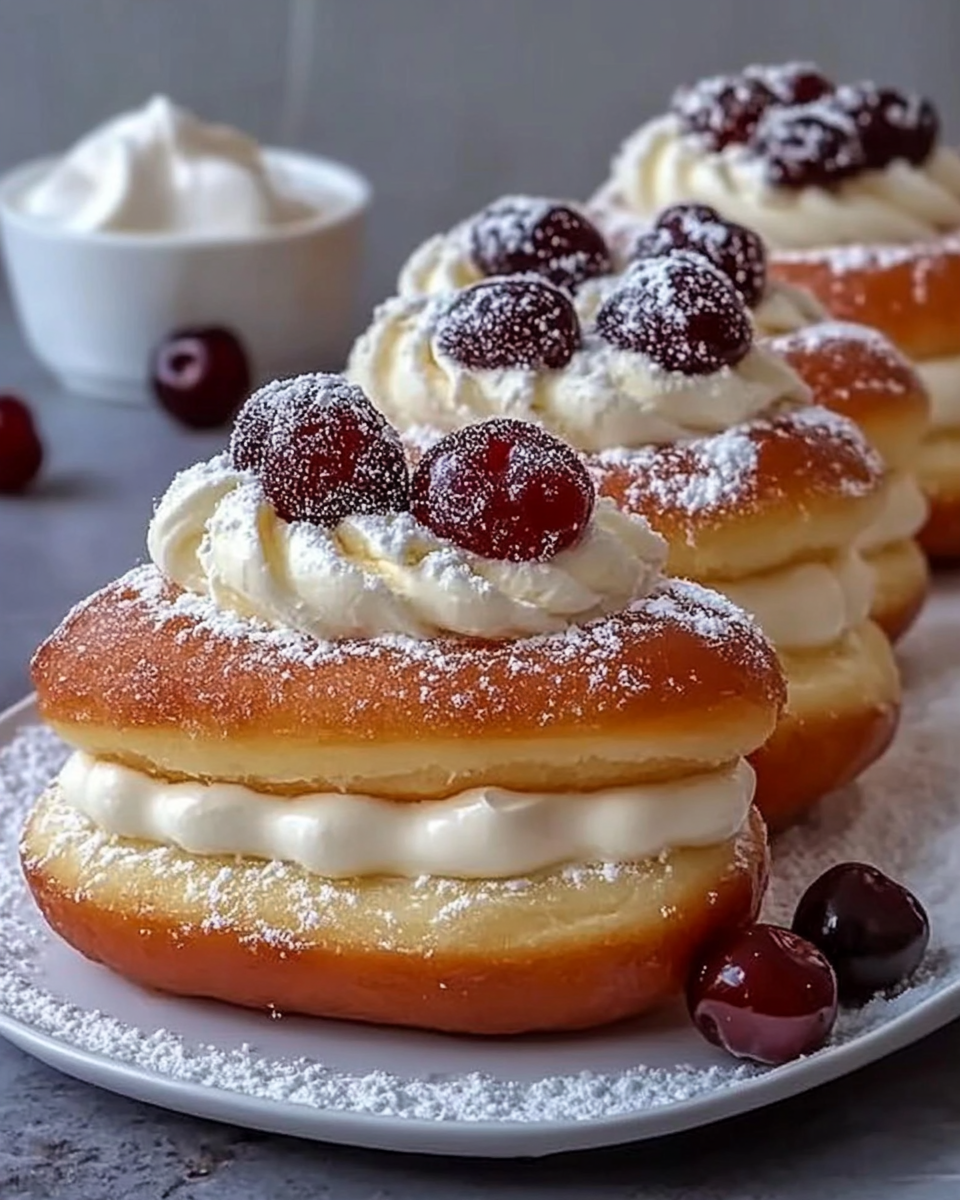
Doughnuts have long been a cherished treat, loved for their soft, airy texture and indulgent flavors. Among the many varieties, fresh cream doughnuts stand out with their luscious filling that elevates the experience to something truly special. While they may appear intimidating, making them at home is not only achievable but also a delightful experience.
The allure of fresh cream doughnuts lies in their richness, marrying the lightness of the dough with the cream's velvety texture. As you prepare these sweet delights, you’ll be reminded of cozy cafés and moments of pure satisfaction. With just a few simple ingredients, the reward is a batch of heavenly, freshly made doughnuts that can take any occasion from ordinary to extraordinary.
Ingredients
- 2 cups all-purpose flour
All-purpose flour provides the structure of the dough, allowing the doughnuts to rise beautifully while remaining soft. The protein content in the flour is crucial for gluten development, contributing to the right chewiness and texture. - 1 tablespoon active dry yeast
Yeast is the key leavening agent that helps the dough rise. Active dry yeast creates air pockets, resulting in a light and fluffy doughnut. It’s essential to proof the yeast properly to ensure it activates effectively. - ½ cup granulated sugar
Granulated sugar not only sweetens the dough but also feeds the yeast, enhancing the fermentation process. Additionally, it contributes to the golden color and helps maintain moisture in the final product. - 1 teaspoon salt
Salt is crucial for flavor enhancement and also helps to control the fermentation of the dough. It balances the sweetness and enhances the overall taste of the doughnuts. - ½ cup whole milk
Whole milk adds richness and moisture to the dough. The fats in the milk help create tender doughnuts, while the lactose sugar contributes to a slight sweetness. - 2 large eggs
Eggs serve multiple purposes in baking. They provide moisture, richness, and structure to the dough. The proteins in eggs also help to firm up the doughnut as it cooks. - 4 tablespoons unsalted butter, melted
Butter contributes flavor and a tender crumb to the dough. Melting the butter allows it to incorporate seamlessly into the dough, adding to the overall richness. - 1 cup heavy cream
Heavy cream is used for the filling, providing a rich, decadent texture that complements the doughnut's lightness. Its high fat content contributes to a creamy, luscious filling that melts in your mouth. - 1 teaspoon vanilla extract
Vanilla extract adds a warm, aromatic flavor that enhances the overall taste of the doughnuts. It pairs wonderfully with the sweet cream filling and enriches the dough. - Oil for frying
Choosing the right oil for frying is essential for achieving a perfect crisp on the outside of the doughnuts. A neutral oil with a high smoke point, like vegetable oil, allows for even frying without overpowering the doughnut's flavor.
Directions & Preparation
Step 1: Bloom the yeast.
Start by combining the active dry yeast with warm milk (around 110°F) and a teaspoon of sugar in a small bowl. Let it sit for about 5-10 minutes until it's frothy. This step activates the yeast, ensuring your doughnuts will rise properly. If the mixture doesn’t foam, your yeast might be inactive, so consider using fresh yeast.
Step 2: Mix the dry ingredients.
In a large mixing bowl, whisk together the all-purpose flour, remaining sugar, salt, and any additional flavorings you may wish to add, like nutmeg or cinnamon. Mixing these dry ingredients evenly before adding wet ingredients helps ensure that everything is distributed consistently throughout the dough, improving the final texture of the doughnuts.
Step 3: Combine wet ingredients.
In another bowl, beat the eggs and mix in the melted butter and vanilla extract. Once combined, add the bloomed yeast mixture. This will create a wet base that harmonizes the flavors and moisture in the dough. Mixing this before adding to the dry ingredients helps prevent lumps and ensures an even distribution.
Step 4: Form the dough.
Pour the wet mixture into the bowl of dry ingredients, stirring gently until a sticky dough forms. Avoid overmixing, which can lead to dense doughnuts. Allow the dough to rest for about 5 minutes; this short resting period helps relax the gluten, making it easier to handle.
Step 5: Knead the dough.
Transfer the dough onto a lightly floured surface and knead for about 5-7 minutes, or until it becomes smooth and elastic. Kneading develops gluten, crucial for achieving the right texture. If the dough is too sticky, you can add a little flour, but be careful not to add too much, as this can make the doughnuts tough.
Step 6: Let the dough rise.
Place the kneaded dough in a greased bowl, covering it with a damp cloth or plastic wrap. Allow it to rise in a warm place until it doubles in size, typically 1-2 hours. This fermentation process allows the yeast to produce gas, creating air pockets that make the dough light and fluffy.
Step 7: Shape the doughnuts.
Once the dough has risen, punch it down to release excess air, and roll it out on a floured surface to about ½ inch thick. Use a round cutter to cut out doughnut shapes. The timing is crucial; if the dough is too thick, the doughnuts won’t cook through, and if too thin, they won’t hold their shape while frying.
Step 8: Prepare for frying.
Allow the shaped doughnuts to rest and rise again on a lightly floured surface for about 30 minutes. This second rise is important for achieving a light texture after frying. Meanwhile, heat oil in a deep pot or fryer to 350°F; the right temperature ensures that the doughnuts cook evenly and don’t absorb too much oil.
Step 9: Fry the doughnuts.
Carefully place the doughnuts in the hot oil, frying a few at a time to avoid overcrowding. Fry for about 2-3 minutes per side until golden brown. Monitor the temperature constantly, as fluctuations can lead to greasy doughnuts. Use a slotted spoon to turn them for an even cook.
Step 10: Drain and cool.
Once fried, remove the doughnuts and let them drain on paper towels. Cooling them properly helps maintain their lovely texture and prevents sogginess. It’s tempting to fill them right away, but allowing them to cool also helps the cream maintain its shape and freshness.
Step 11: Fill with cream.
Using a piping bag fitted with a small nozzle, fill each doughnut with heavy cream until you see it start to burst slightly. This filling process provides the signature decadence. Be sure to use fresh cream to enhance the doughnut experience. Adding a touch of vanilla or cocoa to the cream can also elevate the flavor profile.
Step 12: Dust and serve.
Lightly dust the filled doughnuts with powdered sugar for a touch of sweetness. Serving them immediately allows everyone to enjoy the cream-filled surprise encased in the soft dough. These doughnuts are best enjoyed fresh, capturing that perfect blend of textures and flavors.

Experiment with Flavors
While the classic fresh cream filling is delicious, consider exploring various flavors to add a unique twist. Infusing the cream with flavors such as lemon zest, espresso, or even almond extract can transform the doughnuts into an exciting treat. Customizing the doughnut filling allows for seasonal variations; for instance, using pumpkin spice in the fall for added seasonal flair.
Healthier Alternatives
If you’re looking for a lighter version of the fresh cream doughnut, consider substituting half of the heavy cream with Greek yogurt. This not only cuts down on fat but also adds a tangy flavor that pairs wonderfully with the sweetness of the doughnut. Additionally, using whole grain flour can provide a nutritious boost without sacrificing taste.
Perfecting the Frying Technique
Frying doughnuts can be a bit tricky, but getting it right is essential for achieving that crowd-pleasing texture. Maintaining an oil temperature of 350°F is key; use a thermometer to monitor this. Also, let the doughnuts fry undisturbed for the first minute to create a beautiful golden crust before flipping. Avoid overcrowding the pot to ensure each doughnut fries evenly and has enough space to rise.
FAQs
What do I do if my dough is too sticky?
If your dough is too sticky to handle, you can gradually incorporate a little more flour while kneading; however, overdoing it can result in tough doughnuts. Aim for a smooth and soft texture without adding too much excess flour.
How thick should I roll out my dough?
Roll out the dough to about ½ inch thick to ensure the doughnuts cook evenly through and achieve a pleasant balance of softness and structure. Thicker dough will result in doughnuts that may not fully cook inside.
Why did my doughnuts come out flat?
Flat doughnuts could result from not allowing the dough to rise sufficiently or from using inactive yeast. Always check the yeast's freshness before starting your dough and be sure to give it enough time to ferment and gain volume.
Can I use a different filling?
Yes, you can fill your doughnuts with various fillings like pastry cream, custard, or even fruit preserves. Make sure the filling is thick enough to hold its shape when piped into the doughnut.
My doughnuts are too greasy. What went wrong?
If your doughnuts are excessively greasy, it may be that the oil temperature was too low during frying. Make sure to maintain the oil at around 350°F to keep the doughnuts from soaking up too much oil.
What can I do if my cream is too thick?
If your filling is too thick to pipe easily, consider adding a little milk or cream to thin it out until you reach the desired consistency. Doing this gently will ensure the cream maintains its flavor and texture.
Can I make these doughnuts smaller?
Absolutely! Adjust the size of the doughnut cutter to create mini-doughnuts. Keep an eye on the frying time, as smaller doughnuts will cook faster than their larger counterparts.
Conclusion
Making fresh cream doughnuts at home can be a fun and rewarding endeavor. The joy of indulging in a warm, fluffy doughnut filled with cream is unmatched and well worth the effort. Serving these delightful treats to family and friends will surely make any occasion a hit.
Experiment with different fillings, glazes, and techniques until you find your perfect doughnut. The versatility of this recipe will bring creativity into your kitchen, leading to countless delicious experiences with every batch.
Recipe Card

Deliciously Light Fresh Cream Doughnuts to Try
Ingredients
- 2 cups all-purpose flour
- 1 tablespoon active dry yeast
- ½ cup granulated sugar
- 1 teaspoon salt
- ½ cup whole milk
- 2 large eggs
- 4 tablespoons unsalted butter melted
- 1 cup heavy cream
- 1 teaspoon vanilla extract
- Oil for frying
Instructions
- Bloom the yeast.
- Mix the dry ingredients.
- Combine wet ingredients.
- Form the dough.
- Knead the dough.
- Let the dough rise.
- Shape the doughnuts.
- Prepare for frying.
- Fry the doughnuts.
- Drain and cool.
- Fill with cream.
- Dust and serve.
Notes
Additional serving suggestions: pair with a crisp salad, garlic bread, or roasted seasonal vegetables for balance.
For make-ahead, prep components separately and assemble just before heating to preserve texture.
Taste and adjust with acid (lemon/vinegar) and salt right at the end to wake up flavors.