Introduction
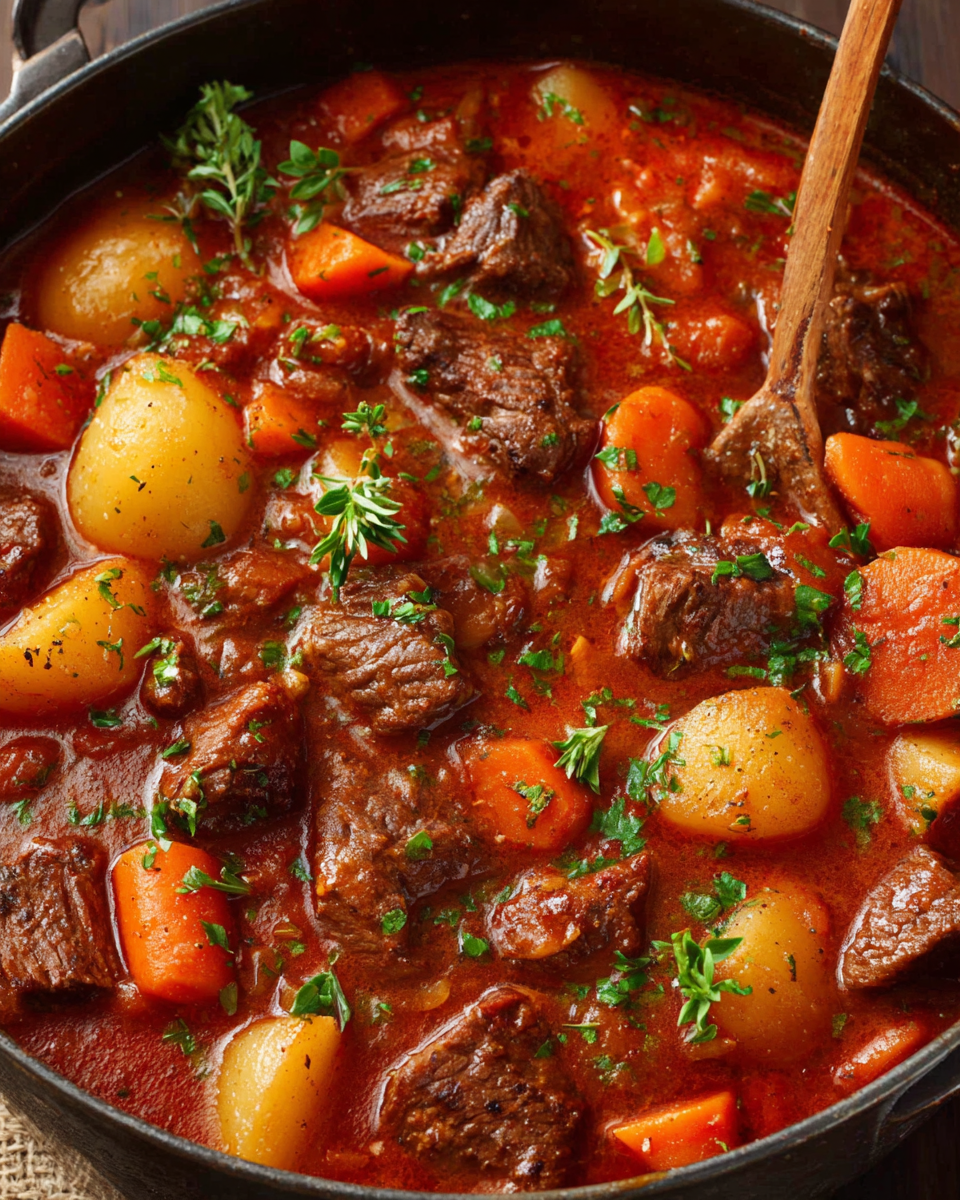
There's something undeniably comforting about a steaming bowl of beef stew. Whether it's a chilly evening or just a busy day, this dish warms the soul. The rich flavors meld beautifully, and each spoonful tells a story of care and tradition.
While beef stew may seem humble, its capability to impress is remarkable. Slow-cooked to tender perfection, the meat becomes deeply infused with the surrounding seasonings and broth. It's the type of meal that invites family and friends to gather around the table.
Crafting a perfect beef stew takes patience and attention to detail. From selecting the right cuts of meat to the herbs that elevate the dish, every component plays a crucial role in creating a comforting masterpiece.
Ingredients
- 2 pounds beef chuck roast, cut into 1-inch pieces
This cut is ideal for stewing due to its marbling, which ensures tenderness and adds flavor as it slowly breaks down during cooking. - 4 cups beef broth
Broth serves as the flavorful base of the stew; using low-sodium allows you to control the salt level while still providing a rich backdrop. - 4 medium carrots, sliced
Carrots add natural sweetness and texture to the stew, balancing the savory flavors while also contributing nutrients. - 3 medium potatoes, diced
Potatoes absorb flavors and help thicken the stew, offering a comforting chewiness that complements the beef. - 1 onion, chopped
Onion is foundational in building flavor; it caramelizes and adds a depth that enhances the overall taste profile of the stew. - 3 cloves garlic, minced
Garlic infuses the stew with aromatic warmth, making it an essential flavor component that elevates the entire dish. - 2 tablespoons tomato paste
Tomato paste deepens the color and richness of the broth, while its natural acidity brightens the stew's flavors. - 1 teaspoon dried thyme
Thyme provides a subtle earthiness, enhancing the beef's flavor and contributing to the stew's overall aromatic profile. - 2 bay leaves
Bay leaves impart a complex and slightly herbal note during cooking; remember to remove them before serving. - Salt and pepper to taste
Seasoning the stew correctly is vital—taste as you go to achieve the perfect balance. - 2 tablespoons olive oil
Used for browning the beef and sautéing the vegetables, olive oil contributes flavor and helps achieve a nice sear. - 1 cup of peas, frozen or fresh
Peas add a pop of color and sweetness, as well as a vibrant texture that contrasts with the other hearty ingredients.
Directions & Preparation
Step 1: Heat olive oil in a large pot over medium-high heat.
Heating the oil properly ensures the beef browns evenly, creating a rich flavor base for your stew. Look for shimmering oil before adding the meat.
Step 2: Season beef chunks with salt and pepper, then brown in batches in the hot oil.
Browning the beef caramelizes its exterior, enhancing the flavor and creating fond at the bottom of the pot, which is essential for depth of flavor in the stew.
Step 3: Remove the browned beef and set aside; add chopped onions and cook until translucent.
The onions should become soft and slightly golden, releasing their sugars, which will infuse the stew with a subtle sweetness and complexity.
Step 4: Add minced garlic and tomato paste, stirring for a minute.
Cooking the garlic briefly brings out its aroma, while the tomato paste caramelizes slightly, adding richness and depth to the overall stew.
Step 5: Return the beef to the pot, along with all remaining ingredients—broth, carrots, potatoes, thyme, and bay leaves.
This is the moment where all flavors amalgamate; the broth will deglaze any browned bits stuck to the pot, ensuring maximum flavor.
Step 6: Bring the stew to a boil; then reduce heat to low and cover, allowing it to simmer.
Simmering slowly encourages the flavors to meld and allows the tough cuts of meat to become tender. A gentle simmer is key; bubbling too hard may toughen the meat.
Step 7: Check the stew after 1.5 hours; adjust seasoning if necessary and add peas.
Taste your stew periodically to check not only for seasoning, but also for tenderness—both the beef and vegetables should be fork-tender by this stage.
Step 8: Simmer for an additional 30 minutes, then remove bay leaves before serving.
This final simmer allows the flavors to harmonize beautifully, while removing the bay leaves ensures no bitter notes are left in the final dish.

Choosing the Right Cut of Beef
The choice of beef can significantly influence the stew's overall quality. For a rich and tender outcome, beef chuck is the best option, as it contains connective tissue that breaks down during cooking. While alternatives like brisket or round can work, they may not yield the same melt-in-your-mouth texture.
The Importance of Browning
Browning the beef is not just for aesthetics; it creates a deep, complex flavor through the Maillard reaction. This step adds a savory layer to your stew that cannot be achieved merely by simmering meat in broth. It's an essential move that lays the groundwork for a fulfilling taste experience.
Balancing Flavors in Your Stew
Achieving a well-balanced stew is crucial for a delightful eating experience. Incorporate sweet, savory, and slightly herbal notes by selecting your ingredients carefully—think about how the carrots, onions, and herbs work together. Regularly taste and adjust the seasoning to ensure harmony throughout the cooking process.
FAQs
What can I do if my stew is too thick?
If your stew is too thick, simply add additional beef broth or water to loosen it up. Stir well to combine and heat it gently.
Can I use red wine in the stew?
Yes, adding a cup of red wine during the cooking process can enhance the flavor profile, adding richness and depth. Just allow it to simmer off for a few minutes.
What if my beef stew lacks depth in flavor?
If your beef stew tastes somewhat flat, try adding a splash of balsamic vinegar or Worcestershire sauce to brighten and elevate the flavors.
What should I do if my vegetables are overcooked?
If your vegetables turn mushy, cook them separately in a pot and add them just before serving to maintain their structure in the dish.
Can I substitute another protein instead of beef?
Yes, you can substitute chicken thighs or even lentils for a vegetarian version, but cooking times may vary.
How do I achieve a thicker stew without adding flour?
To thicken the stew without flour, puree a portion of the vegetables and return them to the pot, or use cornstarch slurry adjusted with cold water.
Conclusion
Creating a nourishing beef stew will not only fill your home with a wonderful aroma but also deliver warmth to those you share it with. It’s an ideal dish for family gatherings, providing comfort with every spoonful.
Incorporate your preferences by adjusting vegetables and seasonings, making this classic dish your own. Invest the time to let it simmer, and you will be rewarded with a meal that's as hearty as it is delicious.
Recipe Card

Savory Shrimp Po’ Boy Sandwich Recipe for Home Cooks
Ingredients
- 1 lb large shrimp peeled and deveined
- 1 cup buttermilk
- 1 cup all-purpose flour
- 1 teaspoon paprika
- 1 teaspoon garlic powder
- 1 teaspoon salt
- 1/2 teaspoon black pepper
- Vegetable oil for frying
- 4 hoagie rolls
- Lettuce leaves
- Tomato slices
- Remoulade sauce 1/2 cup mayonnaise, 2 tablespoons Dijon mustard, 1 tablespoon lemon juice, 1 tablespoon capers, chopped
Instructions
- Prepare the shrimp
- Marinate shrimp in buttermilk
- Mix the dry ingredients
- Heat the oil
- Dredge the shrimp
- Fry the shrimp
- Drain and season shrimp
- Assemble the sandwich
- Serve immediately
Notes
Additional serving suggestions: pair with a crisp salad, garlic bread, or roasted seasonal vegetables for balance.
For make-ahead, prep components separately and assemble just before heating to preserve texture.
Taste and adjust with acid (lemon/vinegar) and salt right at the end to wake up flavors.