Introduction
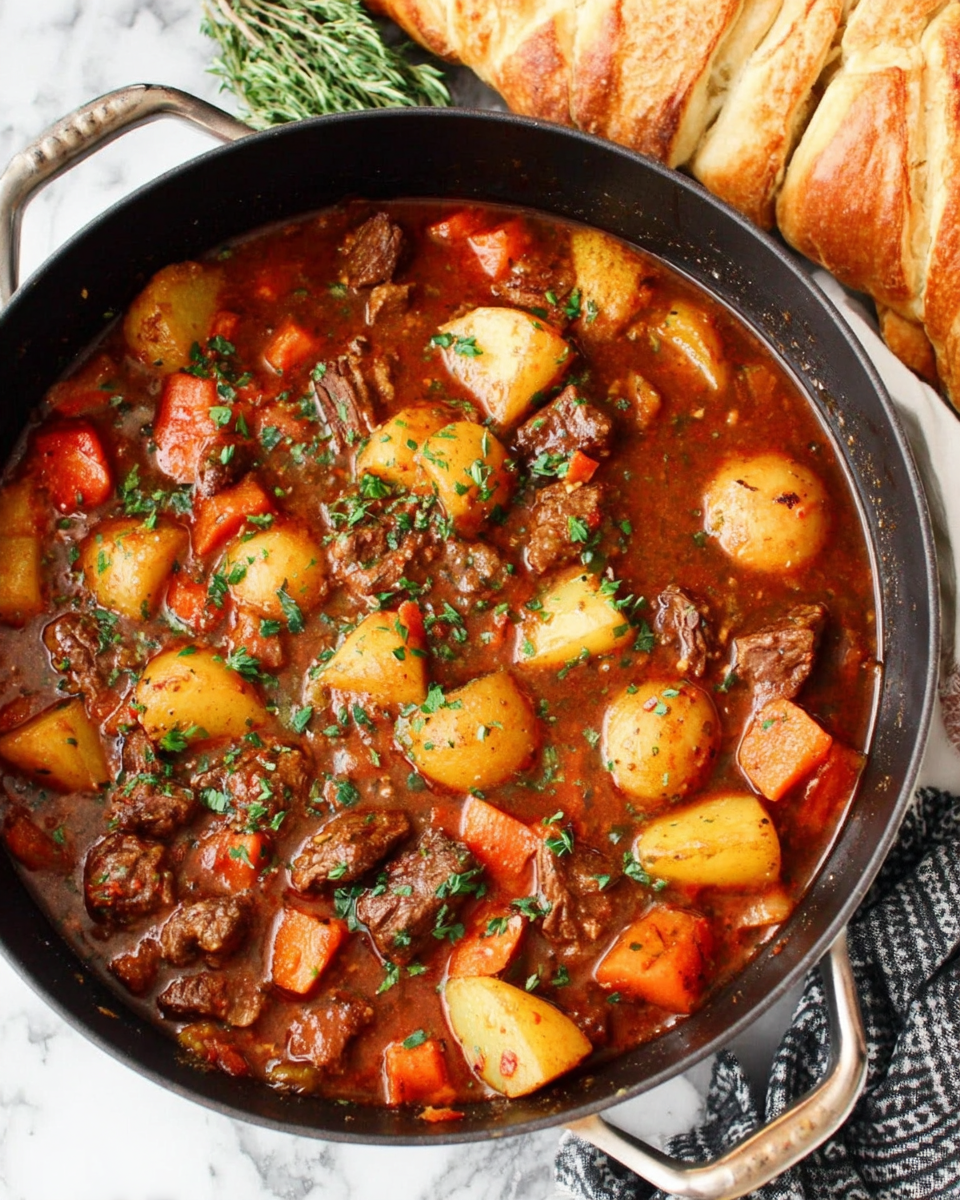
As the weather turns colder, there’s nothing quite like a steaming pot of beef stew to warm the soul. This dish is a classic, loved for its rich flavors and the tender texture of slow-cooked beef. Whether enjoyed on a chilly evening with family or served at a gathering with friends, a great beef stew can be a culinary masterpiece.
The beauty of beef stew lies not only in its taste but also in its versatility. You can easily adapt it with various vegetables and herbs, making it your own perfect recipe. Let’s explore how to create a flavorful and hearty beef stew that will warm you from the inside out.
Ingredients
- 2 pounds beef chuck, cut into 1-inch pieces
The beef chuck is an ideal cut for stewing as it becomes tender and flavorful when slow-cooked. Its marbling adds richness to the stew, enhancing the overall taste. - 4 cups beef broth
Beef broth forms the base of the stew, imparting deep flavors. Choosing a high-quality broth will help infuse the meat and vegetables with a savory richness. - 3 medium carrots, sliced
Carrots add a natural sweetness and a pop of color to the stew. They also provide additional nutrition, balancing the richness of the meat. - 3 medium potatoes, diced
Potatoes act as a hearty filler, absorbing flavors from the broth and meat. Their starchiness helps thicken the stew as it cooks. - 1 medium onion, chopped
Onions build the flavor foundation for the stew. They caramelize during cooking, adding depth and a hint of sweetness. - 3 cloves garlic, minced
Garlic brings a robust aroma and flavor to the stew. Its pungency complements the savory notes of the beef and broth. - 2 tablespoons tomato paste
Tomato paste adds a rich umami flavor and color to the stew. It helps round out the flavors, making the stew taste more complex. - 2 tablespoons Worcestershire sauce
Worcestershire sauce adds a tangy, fermented depth that enhances the overall flavor profile of the stew. It complements the beef wonderfully. - 1 teaspoon dried thyme
Dried thyme lends an earthy, aromatic freshness that pairs beautifully with beef. Its subtle notes enhance the stew's overall fragrance. - 1 bay leaf
A bay leaf adds a subtle flavor that deepens the stew's taste. Remember to remove it before serving, as it can be tough and sharp. - Salt and pepper to taste
Seasoning with salt and pepper at the right moments helps highlight the flavors of the stew. Adjusting the seasoning towards the end allows for a perfectly balanced dish. - 2 tablespoons olive oil
Olive oil is used for browning the meat and vegetables at the beginning. It adds richness and helps achieve a nice sear, sealing in the meat's juices.
Directions & Preparation
Step 1: Heat olive oil in a large pot over medium-high heat.
Bringing the pot to the right temperature before adding the meat ensures a good sear, creating a flavorful crust. This caramelizes the surface of the beef, which enhances the depth of flavor in the entire stew.
Step 2: Brown the beef in batches, ensuring it is well-seared.
Browning the beef in batches prevents overcrowding the pot, which can lead to steaming rather than searing. Proper browning develops a rich, savory base that elevates the stew's taste significantly.
Step 3: Remove the browned beef and set aside.
Setting aside the browned beef allows you to deglaze the pan effectively. The flavorful bits stuck to the bottom can be incorporated into the stew when you add the liquid, enriching the broth.
Step 4: Add chopped onions and garlic to the pot, and sauté until softened.
Sautéing the onions and garlic releases their natural sugars and flavors, creating a fragrant base for the stew. This step is crucial as it builds the flavor layers upon which the other ingredients will stand.
Step 5: Stir in the tomato paste and cook for a few minutes.
Cooking the tomato paste helps deepen its flavor and caramelize it slightly, enhancing the umami aspects of the stew. This action integrates the paste well into the base, allowing it to flavor the entire dish.
Step 6: Return the beef to the pot and add carrots, potatoes, thyme, and bay leaf.
Returning the beef along with the vegetables combines all the elements of the stew, ensuring even cooking and flavor distribution. The vegetables will absorb the savory notes from the beef and broth as they soften.
Step 7: Pour in the beef broth and Worcestershire sauce.
Adding the broth and Worcestershire sauce establishes the stew’s liquid base. It's essential to use enough liquid to cover the ingredients, allowing for proper simmering and melding of flavors.
Step 8: Bring to a boil, then reduce heat to low and cover.
Bringing the stew to a boil will initiate the cooking process effectively. Once it’s boiling, reducing the heat allows for a gentle simmer, essential for tenderizing the meat over a long period without burning.
Step 9: Simmer for at least 1.5 to 2 hours, stirring occasionally.
Simmering the stew for a longer time allows the flavors to meld beautifully and the beef to become fork-tender. Occasional stirring prevents sticking and ensures that the stew cooks evenly throughout.
Step 10: Taste and adjust the seasoning before serving.
Seasoning towards the end is vital for achieving a balanced flavor. It allows you to correct any deficiencies, bringing out the individual flavors of the beef and vegetables for a delicious result.

Choosing the Right Cut of Beef
Selecting a cut of beef is crucial for a successful stew. Beef chuck is often recommended due to its balance of tenderness and flavor. Cuts like brisket can also work well, offering a slightly different taste. The key is to choose a cut that has some fat, as it contributes to the stew's overall richness and flavor during the slow cooking process.
The Art of Thickening Your Stew
If you prefer a thicker stew, there are a few methods to achieve this. One common technique is to mix flour or cornstarch with water to create a slurry and stir it into the stew during the last 30 minutes of cooking. Alternatively, you can mash some of the potatoes in the stew; this naturally thickens the broth while enhancing the texture.
Enhancing Flavor with Fresh Herbs
Fresh herbs like parsley, rosemary, or bay leaves can elevate the flavor profile of your beef stew. Adding a sprig of fresh rosemary during the last hour of cooking infuses a refreshing aroma. Garnishing the finished dish with fresh parsley not only adds color but also a hint of brightness that balances the rich flavors of the meat and broth.
FAQs
What if my beef stew comes out too thin?
If your stew is too thin, you can thicken it by mixing a tablespoon of cornstarch with a small amount of cold water and stirring it into the stew. Allow it to simmer for a few more minutes until thickened.
What can I do if my beef is overcooked?
If your beef turns out overcooked and tough, adding some broth and simmering it gently might help to rehydrate the meat. Cooking it with a little bit of vinegar can also improve its tenderness.
Can I add red wine to this beef stew recipe?
Absolutely! Adding a splash of red wine while sautéing the onions and garlic can deepen the flavor of the stew significantly. Just ensure to let it cook down a bit before adding the broth.
What vegetables can I include in my beef stew?
You can add a variety of vegetables to your beef stew, such as peas, green beans, or turnips. Just be sure to consider their cooking times so that they don’t become mushy.
How can I make my beef stew more flavorful?
To enhance flavors, consider browning your meat properly and using a high-quality broth. Adding herbs like thyme or rosemary during cooking can also elevate the taste.
Can I prepare this stew in advance and reheat it?
Yes, beef stew can be prepared in advance and actually tastes even better after the flavors have melded overnight in the fridge. Just reheat gently on the stove before serving.
Conclusion
This beef stew recipe captures the essence of comfort food, celebrating simple ingredients and traditional techniques that result in a robust, flavorsome dish. The interplay of tender beef, hearty vegetables, and rich broth creates a symphony of taste that feels like a warm hug on a chilly day.
Invest some time into making this stew, and you will be rewarded with a meal that not only nourishes but also evokes wonderful memories around the dinner table. Enjoy the fruits of your labor as you share this dish with loved ones, creating your own stories in the process.
Recipe Card

Indulgent Cheesy Garlic Scalloped Potatoes Recipe
Ingredients
- 4 large russet potatoes sliced
- 2 cups heavy cream
- 1 cup shredded sharp cheddar cheese
- 4 cloves of garlic minced
- 1 teaspoon salt
- 1/2 teaspoon black pepper
- 1 tablespoon fresh parsley chopped (optional garnish)
Instructions
- Preheat the oven to 375°F (190°C).
- Prepare the potatoes by washing, peeling, and slicing them thinly.
- In a saucepan, combine heavy cream, minced garlic, salt, and black pepper. Heat gently until just warmed.
- Layer half of the sliced potatoes in a greased baking dish. Pour half of the cream mixture over the potatoes, and sprinkle half of the cheese on top.
- Repeat with the remaining potatoes, cream, and cheese to create a second layer.
- Cover the baking dish with aluminum foil and bake for 45 minutes.
- Remove the foil and bake for an additional 30 minutes, or until the top is golden and bubbly.
- Let the dish cool for 10 minutes before serving, and garnish with fresh parsley if desired.
Notes
Additional serving suggestions: pair with a crisp salad, garlic bread, or roasted seasonal vegetables for balance.
For make-ahead, prep components separately and assemble just before heating to preserve texture.
Taste and adjust with acid (lemon/vinegar) and salt right at the end to wake up flavors.