Introduction
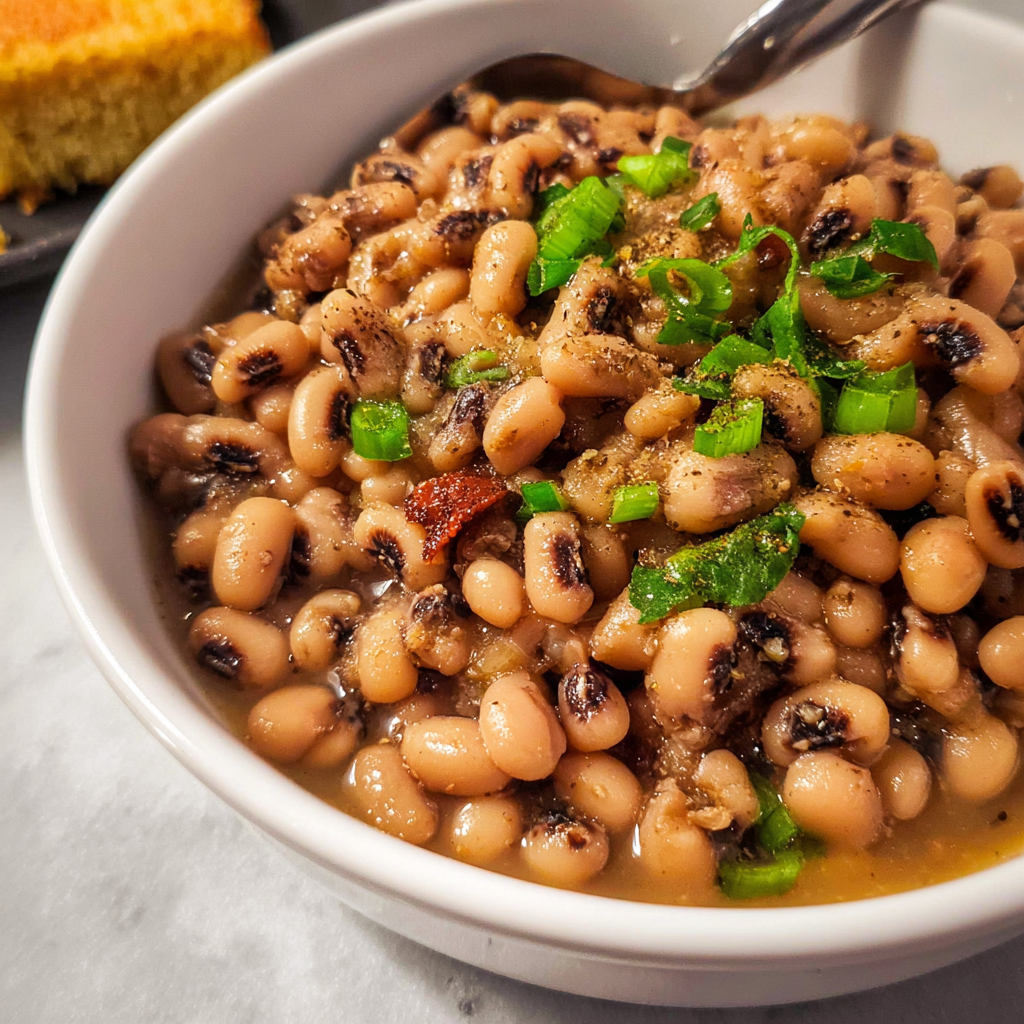
Black-eyed peas are more than just a Southern staple; they embody a rich cultural history that dates back generations. Celebrated for their flavor and versatility, these legumes are often associated with good luck and prosperity, particularly when enjoyed on New Year’s Day. The preparation of black-eyed peas is deeply rooted in tradition, often passed down through family recipes.
While they are commonly featured in various dishes throughout the South, the classic preparation showcases the natural sweetness and creaminess of the peas, often balanced with smoky flavors and hearty vegetables. This dish isn't just comforting; it's a canvas for creativity and personal expression based on regional and familial influences.
Ingredients
- 1 cup dried black-eyed peas
Dried black-eyed peas are the star of this dish, providing both unique flavor and texture. Soaking them before cooking helps to soften them, ensuring they cook evenly and absorb the seasonings. - 4 cups chicken broth
Using chicken broth adds depth and richness to the dish. It enhances the overall flavor profile, complementing the sweetness of the peas and allowing them to soak up the savory undertones. - 1 small onion, diced
Onions add a foundational flavor that builds complexity in the dish. They caramelize during cooking, contributing a natural sweetness and aromatic quality that makes the dish inviting. - 2 cloves garlic, minced
Garlic infuses the dish with a bold and fragrant punch, elevating the other ingredients. As it cooks, it develops a mellow flavor that enhances the overall tasting experience. - 1 smoked ham hock
A smoked ham hock imparts a rich, smoky flavor that is characteristic of Southern cooking. The fat and connective tissues render during cooking, enriching the broth and adding a satisfying heartiness. - 1 bay leaf
A bay leaf offers subtle herbal notes that help to balance the dish’s flavors. It enhances the complexity without overpowering, adding a touch of earthiness. - 1 teaspoon cayenne pepper
Cayenne pepper brings a gentle heat that enlivens the dish, making it more exciting without overwhelming the palate. Adjusting the amount allows for control over spice levels. - Salt and black pepper to taste
Seasoning with salt and black pepper allows for adjusting flavors to personal preference. Salt brings out the natural sweetness of the peas, while black pepper adds a warm, mild heat.
Directions & Preparation
Step 1: Rinse and soak the black-eyed peas overnight.
Soaking the black-eyed peas helps to reduce cooking time and enhances their texture. By hydrating the peas, you enable them to cook more evenly and result in a creamier consistency, making the final dish much more enjoyable.
Step 2: In a large pot, sauté the diced onion and minced garlic until translucent.
Sautéing the onion and garlic creates a flavorful base for the black-eyed peas. The process of cooking them until they are translucent ensures that their natural sweetness is released, infusing the oil with flavor that will permeate the entire dish.
Step 3: Add the ham hock, soaked black-eyed peas, and chicken broth to the pot.
Incorporating the ham hock and soaking liquid creates a hearty foundation for the dish. The combination of the broth with the peas allows the flavors to meld together beautifully during the simmering process.
Step 4: Stir in the cayenne pepper, bay leaf, salt, and pepper.
Seasoning at this stage allows the spices to infuse their flavors into the cooking liquid. Each ingredient plays a vital role; the cayenne adds a kick, while the bay leaf contributes aromatic notes that enhance the overall profile of the dish.
Step 5: Bring the mixture to a boil, then reduce to a simmer and cover.
Bringing the pot to a boil is crucial for activating the cooking process. Lowering the heat to a simmer allows the flavors to meld gently, preventing the peas from breaking apart while achieving that soft and creamy texture.
Step 6: Cook for 45 minutes to 1 hour, or until the peas are tender.
Monitoring the cooking time is essential to achieve the perfect texture for your peas. This step can require some patience, but it’s worth it as tender peas absorb flavors and achieve a delightful creaminess.
Step 7: Remove from heat, discard the ham hock and bay leaf, and adjust the seasoning if needed.
Once cooking is complete, removing the ham hock ensures you don't have larger, inedible pieces in the final dish. Tasting for seasoning at this stage allows for adjustments that can elevate the flavors even more.
Step 8: Serve hot, garnished with fresh herbs if desired.
Serving the dish hot, perhaps with a sprinkle of fresh herbs, adds a burst of freshness and visual appeal. Pairing with cornbread or rice can create a comforting meal perfect for gatherings.

Flavor Building: The Role of Aromatics
Aromatics like onions and garlic form the backbone of this dish, making them essential for developing its flavor profile. As these ingredients sauté, they release oils and sugars that contribute sweetness and depth to the overall dish. Their aromatic qualities enhance the transition from initial preparation to the delightful aromas that fill the kitchen, signaling that a hearty meal is on the way.
The Importance of Proper Soaking
Soaking dried black-eyed peas is a crucial step for achieving a perfect texture. It hydrates the beans, reducing their cooking time and allowing for better flavor absorption. Not only does this step improve the creaminess of the final dish, but it also prevents the peas from being overly mushy or grainy.
Variations and Personal Touches
While this recipe pays homage to tradition, there’s ample room for customization. Some prefer adding greens like collard or mustard greens for extra nutrition and flavor. Others may include spices or alternate proteins, such as sausage or turkey, tailoring the dish to fit seasonal tastes or personal preferences, making each pot uniquely theirs.
FAQs
What if my black-eyed peas are too thick after cooking?
If the peas are too thick, you can add a bit more broth or water to achieve your desired consistency. Stir well and simmer for a few minutes to combine the flavors.
How can I make this dish more flavorful?
Enhancing flavor can be achieved by incorporating additional spices, adding a splash of vinegar or hot sauce before serving, or introducing fresh herbs in the final stages.
Can I add other vegetables to this recipe?
Absolutely! Carrots, bell peppers, or celery can be added to the sauté mix to introduce more flavor and nutrition.
What type of broth can I use if I don’t have chicken broth?
Vegetable broth or even a homemade stock can provide good flavor, adapting the dish for vegetarian diets while maintaining richness.
Is it necessary to use a ham hock?
While the ham hock adds a distinctive smoky flavor, you can substitute it with smoked turkey or just omit it for a vegetarian version, maximizing flavor with additional spices instead.
How can I adjust the spice level to be milder?
To make the dish milder, reduce the amount of cayenne pepper or omit it altogether. You can also add dairy, such as a dollop of sour cream, to neutralize heat.
Conclusion
Cooking traditional Southern black-eyed peas is not just about creating a meal; it’s about celebrating heritage and community. Through the careful selection of ingredients and preparation methods, you can bring the warmth and richness of Southern cooking into your home.
Whether enjoyed on New Year’s Day or as a comforting family meal, black-eyed peas are a dish that invites sharing and togetherness, connecting us to our roots and each other.
Recipe Card
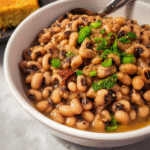
A Deep Dive into Traditional Southern Black Eyed Peas
Ingredients
- 1 cup dried black-eyed peas
- 4 cups chicken broth
- 1 small onion diced
- 2 cloves garlic minced
- 1 smoked ham hock
- 1 bay leaf
- 1 teaspoon cayenne pepper
- Salt and black pepper to taste
Instructions
- Rinse and soak the black-eyed peas overnight.
- In a large pot, sauté the diced onion and minced garlic until translucent.
- Add the ham hock, soaked black-eyed peas, and chicken broth to the pot.
- Stir in the cayenne pepper, bay leaf, salt, and pepper.
- Bring the mixture to a boil, then reduce to a simmer and cover.
- Cook for 45 minutes to 1 hour, or until the peas are tender.
- Remove from heat, discard the ham hock and bay leaf, and adjust the seasoning if needed.
- Serve hot, garnished with fresh herbs if desired.
Notes
Additional serving suggestions: pair with a crisp salad, garlic bread, or roasted seasonal vegetables for balance.
For make-ahead, prep components separately and assemble just before heating to preserve texture.
Taste and adjust with acid (lemon/vinegar) and salt right at the end to wake up flavors.