Introduction
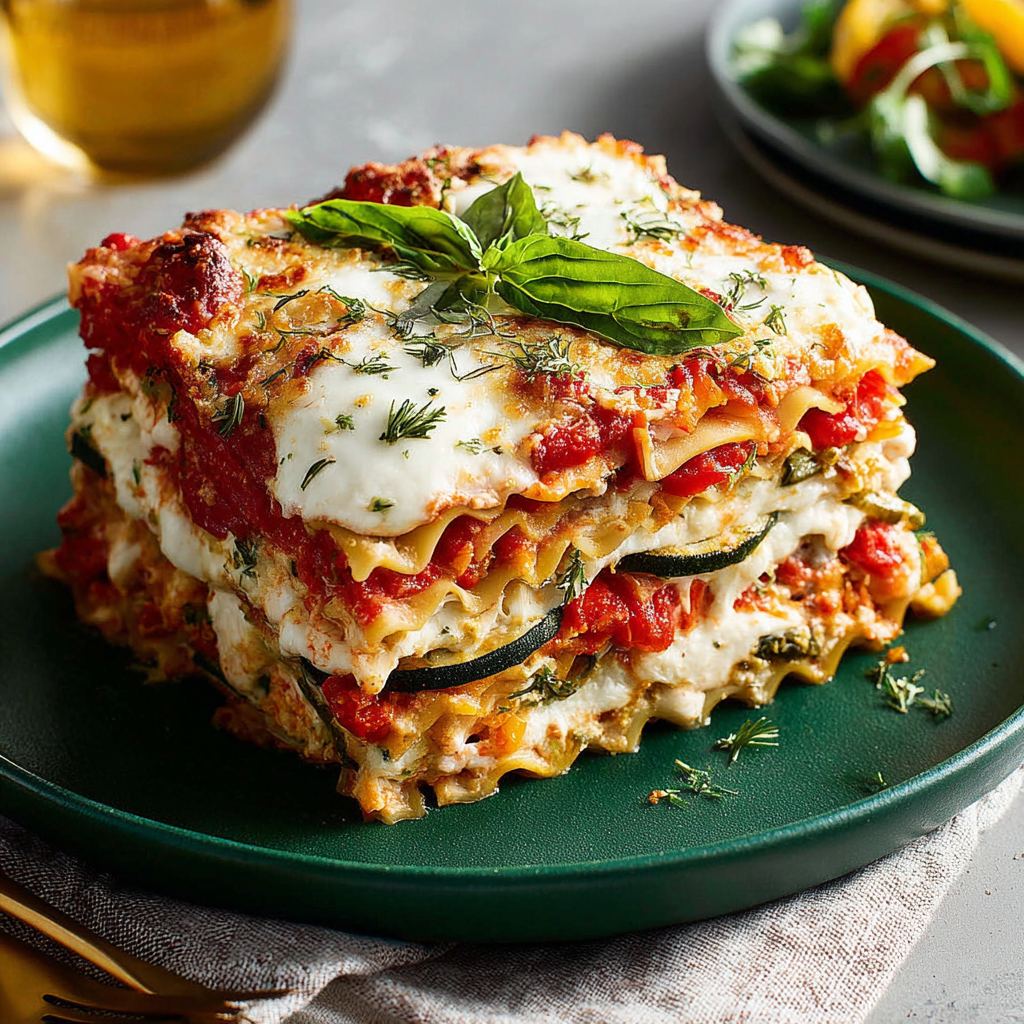
Vegetarian lasagna offers a hearty, comforting meal that can brighten any dinner table. With layers of vibrant vegetables, rich cheeses, and a delicious tomato sauce, it promises to satisfy even the most fervent meat lovers. Whether it’s a family gathering or a special occasion, this lasagna is perfect for both casual and festive settings.
This dish also showcases the versatility of ingredients, allowing you to adapt it to seasonal produce and personal preferences. Its delectable flavors emerge from each layer, making it a true labor of love. Embrace the joy of cooking as you create this recipe that delights both the palate and the eye.
Ingredients
- 12 lasagna noodles
Lasagna noodles serve as the foundation of the dish, creating structure and holding the layers together. Opt for either traditional or no-boil noodles; the latter can save time and absorb moisture from the sauces during cooking. - 1 tablespoon olive oil
Olive oil adds richness to the lasagna and is essential for sautéing vegetables. It also contributes healthy fats and a subtle flavor that complements the other ingredients. - 1 medium onion, chopped
Onions provide a savory base for the filling, enhancing the overall flavor with their natural sweetness. They also add texture and a satisfying fragrance when cooked. - 2 cloves garlic, minced
Garlic imparts a robust flavor that elevates the taste of the lasagna. Its aromatic qualities enhance both the sauce and the vegetable filling, making the dish more aromatic. - 2 cups spinaches, chopped
Spinach brings freshness and nutrients to the lasagna. It wilts significantly during cooking, providing vibrant color and a subtle earthy taste that balances the richness of the cheese. - 1 zucchini, sliced
Zucchini adds moisture and a mild taste to the filling. This vegetable's versatility allows it to absorb surrounding flavors while contributing to the dish's overall texture. - 1 red bell pepper, chopped
Red bell peppers offer a sweet crunch and a burst of color. Their bright flavor adds a lovely contrast to the other ingredients, enhancing the visual and palatable appeal of the lasagna. - 1 jar (24 ounces) marinara sauce
Marinara sauce provides a luscious tomato base that ties the layers together. It's rich in flavor, making it easier to infuse the lasagna with robust pasta sauce taste. - 15 ounces ricotta cheese
Ricotta adds creaminess and a luscious texture to the lasagna. It serves as a binding agent for the filling and balances the flavors of the vegetables and sauce. - 2 cups shredded mozzarella cheese
Mozzarella gives the dish its signature gooeyness when melted. Its mild flavor complements other cheeses and enhances the overall creaminess of each layer. - 1/2 cup grated Parmesan cheese
Parmesan cheese introduces a salty, umami kick that enriches the flavor profile. When layered, it forms a crispy, golden top that creates an appealing texture contrast. - 1 teaspoon dried oregano
Dried oregano adds a hint of earthiness and depth to the dish. It enhances the Mediterranean flavors, bringing vibrancy to the tomato and vegetable layers. - 1 teaspoon salt
Salt balances the flavors, enhancing the taste of the ingredients. It helps in extracting moisture from the vegetables while preventing the dish from being bland. - 1/2 teaspoon black pepper
Black pepper brings a light spiciness that complements the creaminess of the cheese and the richness of the sauce. It's essential for layering flavors throughout the lasagna.
Directions & Preparation
Step 1: Preheat the oven to 375°F (190°C).
Preheating the oven is crucial for ensuring even cooking and helping the cheese melt perfectly. This step sets the stage for the final baking time, allowing the lasagna to cook thoroughly and develop its flavors.
Step 2: Cook the lasagna noodles according to package instructions.
Cooking the noodles ensures they are tender and ready to absorb flavors. If using no-boil noodles, this step can be skipped, allowing for a quicker assembly. Ensure to drain and rinse the noodles if directed, keeping them moist.
Step 3: Heat olive oil in a large skillet over medium heat.
Heating the oil before adding the onions and garlic releases its flavors and helps in even cooking. Medium heat allows the vegetables to soften without burning, creating a suitable base for the filling.
Step 4: Add chopped onion and sauté until translucent.
Sautéing the onion until translucent unlocks its natural sweetness and aroma. This step creates a flavorful foundation for the rest of the vegetables, enhancing the overall taste of the lasagna.
Step 5: Stir in minced garlic and cook for 1-2 minutes.
Garlic cooks quickly and can burn easily, so adding it after the onions is key. This brief cooking time releases its oils and flavors, infusing the mix with a fragrant aroma that enriches the dish.
Step 6: Add chopped spinach, zucchini, and red bell pepper, cooking until softened.
Cooking the vegetables until they soften helps develop their flavors and reduces moisture. This step is essential for preventing the lasagna from becoming watery and ensures a balanced mixture.
Step 7: Season the vegetable mixture with oregano, salt, and black pepper.
Seasoning the vegetables enhances their natural flavors and adds layers of taste. This is a crucial step to ensure that each ingredient shines and that the filling is well-seasoned.
Step 8: In a separate bowl, mix ricotta cheese with half of the mozzarella and Parmesan.
Combining the cheeses creates a creamy and cohesive filling that binds well. The mixture not only adds flavor but also moisture, ensuring each bite is rich and satisfying.
Step 9: Spread a thin layer of marinara sauce on the bottom of a baking dish.
This base layer prevents the noodles from sticking to the dish and adds moisture to the bottom, ensuring a pleasant eating experience. It also infuses flavor into the first layer of noodles.
Step 10: Layer cooked noodles, vegetable mixture, cheese mixture, and marinara sauce.
Building in layers allows for an even distribution of flavors and textures, so each bite delivers a harmonious taste. Alternate layers of noodles, filling, and sauce to create a balanced dish that captures the essence of lasagna.
Step 11: Top with remaining mozzarella and Parmesan cheese.
This final layer of cheese not only adds flavor but also creates a deliciously gooey and golden crust on top. Bake until the cheese is bubbly and slightly browned, giving the lasagna that irresistible appeal.
Step 12: Cover the dish with foil and bake for 30 minutes.
Covering the lasagna with foil prevents it from over-browning while it heats through. It traps steam, allowing the noodles and filling to meld and cook evenly. Remove the foil during the last 15 minutes for a crispy top.
Step 13: Remove from oven, let it rest for 10-15 minutes before slicing.
Allowing the lasagna to rest is important for helping the layers set, making it easier to slice and serve. This step ensures that each piece holds its shape well and makes for more appealing presentation.

Incorporating Seasonal Vegetables
One of the joys of making vegetarian lasagna is the opportunity to feature seasonal vegetables. Whether it’s adding summer squash in the warmer months or roasting root vegetables in the winter, adapting the recipe with fresh produce can enhance flavors and increase the dish's nutritional value. This flexibility ensures that the recipe can be enjoyable year-round, emphasizing local and seasonal eating.
The Art of Layering
Layering vegetarian lasagna is an art that significantly impacts the final taste. Each layer should balance texture and flavor, creating a harmonious combination. Start with a sauce base, add noodles, then alternate layers of filling and sauce, ensuring each layer gets attention. This careful construction leads to a lasagna that is both visually stunning and satisfying at every level.
The Essential Resting Period
Patience is a virtue, especially when it comes to lasagna. Allowing it to rest after baking is essential as it permits the layers to settle and firm up, which makes slicing simpler and cleaner. This step can drastically affect the presentation and enjoyment of the dish. A well-rested lasagna not only looks professional but also offers a more balanced bite.
FAQs
What can I add to improve flavor depth?
Consider adding fresh herbs like basil or thyme, or a splash of balsamic vinegar to the vegetable mixture for a layer of tanginess.
Why is my lasagna too watery?
Watery lasagna often comes from overcooked vegetables releasing moisture. Ensure to sauté vegetables until softened and avoid excess sauce.
Can I use different types of cheese?
Yes, you can experiment with cheeses like goat cheese or fontina. They each lend unique flavors that can elevate your lasagna.
What if my pasta layers are falling apart?
If the noodles are too soft, try cooking them less than recommended or reducing the liquid in the sauce. This adjustment will help maintain structure.
How can I enhance the texture of the lasagna?
Incorporate nuts like pine nuts or walnuts within the layers for crunch, or consider adding a layer of roasted vegetables for varied texture.
Can I use different sauces aside from marinara?
Certainly! You might use a pesto or a white cheese sauce to add a different profile and creaminess, making it a flavorful alternative.
What if my layers are uneven?
If you notice uneven layering, pay attention to measuring ingredients when assembling. Adding an even scoop for each layer can help maintain proportions.
Conclusion
Vegetarian lasagna is not just a meal; it's an expression of creativity and a means to enjoy an abundance of flavors. The possibilities of ingredients are endless, making it a recipe worth revisiting often.
Whether served with a crisp salad or enjoyed on its own, each slice brings warmth and comfort. Try this dish today, and savor the beauty of a wholesome vegetarian lasagna.
Recipe Card
A Delightful Vegetarian Lasagna for Every Occasion
Ingredients
- 12 lasagna noodles
- 1 tablespoon olive oil
- 1 medium onion chopped
- 2 cloves garlic minced
- 2 cups spinaches chopped
- 1 zucchini sliced
- 1 red bell pepper chopped
- 1 jar 24 ounces marinara sauce
- 15 ounces ricotta cheese
- 2 cups shredded mozzarella cheese
- 1/2 cup grated Parmesan cheese
- 1 teaspoon dried oregano
- 1 teaspoon salt
- 1/2 teaspoon black pepper
Instructions
- Preheat the oven to 375°F (190°C).
- Cook the lasagna noodles according to package instructions.
- Heat olive oil in a large skillet over medium heat.
- Add chopped onion and sauté until translucent.
- Stir in minced garlic and cook for 1-2 minutes.
- Add chopped spinach, zucchini, and red bell pepper, cooking until softened.
- Season the vegetable mixture with oregano, salt, and black pepper.
- In a separate bowl, mix ricotta cheese with half of the mozzarella and Parmesan.
- Spread a thin layer of marinara sauce on the bottom of a baking dish.
- Layer cooked noodles, vegetable mixture, cheese mixture, and marinara sauce.
- Top with remaining mozzarella and Parmesan cheese.
- Cover the dish with foil and bake for 30 minutes.
- Remove from oven, let it rest for 10-15 minutes before slicing.
Notes
Additional serving suggestions: pair with a crisp salad, garlic bread, or roasted seasonal vegetables for balance.
For make-ahead, prep components separately and assemble just before heating to preserve texture.
Taste and adjust with acid (lemon/vinegar) and salt right at the end to wake up flavors.