Introduction
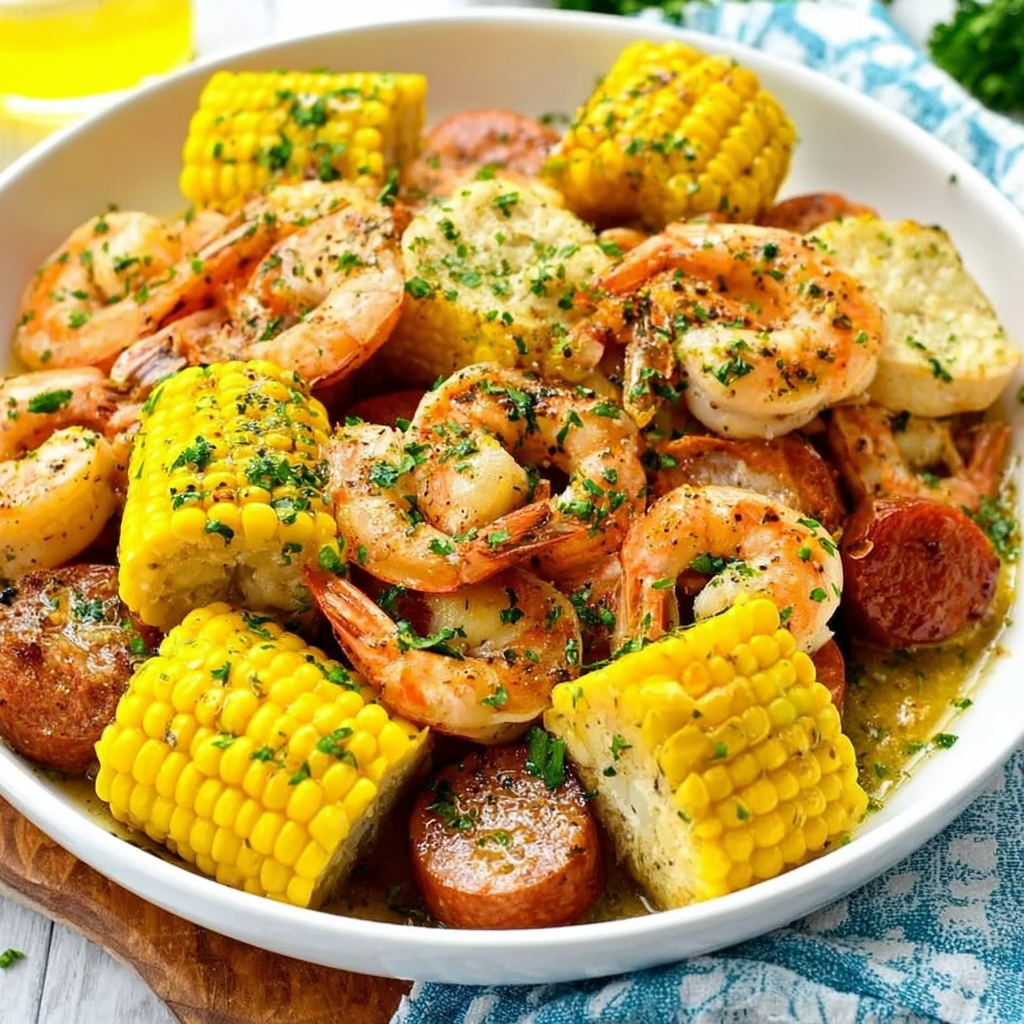
A shrimp boil evokes coastal gatherings, where fresh seafood, spices, and hearty camaraderie blend harmoniously. Originating in the Southern United States, particularly Louisiana, this dish has become a staple for summer celebrations and family feasts.
The beauty of a shrimp boil is its simplicity. With just a few high-quality ingredients and a bit of attention, you can create a feast that impresses guests while allowing for plenty of conversation and laughter. The communal aspect of this dish encourages sharing and enjoyment, making it perfect for any gathering.
Ingredients
- 2 pounds large shrimp, unpeeled
Shrimp are the star of this dish, providing sweet, briny flavor and tender texture. Choosing large or jumbo shrimp ensures they maintain their shape during cooking and deliver that satisfying bite. - 2 pounds small red potatoes
These potatoes not only add substance but also absorb the savory flavors of your broth. Their thin skins allow them to cook quickly and evenly, making them perfect for boiling alongside the shrimp. - 1 pound andouille sausage
Andouille sausage brings a smoky, spicy element to the dish, enhancing the overall flavor profile. It pairs beautifully with the shrimp and potatoes, creating a well-rounded meal. - 4 ears corn, halved
Corn adds a touch of sweetness and crunch. When cooked, its kernels become tender and juicy, making it a delightful addition to the boil that balances out the spices. - 1/4 cup Old Bay seasoning
This iconic seasoning blend is essential for a flavorful shrimp boil. Its mix of spices—celery salt, paprika, and black pepper—enhances the natural flavors of the seafood and vegetables, creating an irresistible aroma. - 1 lemon, quartered
Fresh lemon not only brightens the overall taste but also provides acidity that balances the richness of the shrimp and sausage. Squeezing lemon over the finished dish elevates the flavors even more. - Salt to taste
Salt boosts flavors and ensures that every ingredient in your shrimp boil shines. It's important to taste as you go to achieve the ideal seasoning throughout the dish. - Water
Water serves as the base for your boil. As it heats up, it captures the essence of all the ingredients, creating a flavorful stock that infuses the shrimp and vegetables.
Directions & Preparation
Step 1: Fill a large pot with water and bring to a boil.
Start by filling a large, heavy-bottomed pot with enough water to cover the ingredients once they are added. Bringing this to a rapid boil is crucial because it provides the right cooking environment for the potatoes, which take the longest to cook. This initial step sets the stage for a flavorful shrimp boil.
Step 2: Add potatoes and seasoning to the boiling water.
Once the water is at a rolling boil, add your cleaned red potatoes along with the Old Bay seasoning. Potatoes absorb flavor well, and this step ensures they begin cooking thoroughly. Typically, they'll need about 10-15 minutes to soften before adding quicker-cooking ingredients.
Step 3: After 10-15 minutes, add the corn and sausage.
Adding the corn and sliced sausage at this point allows them to cook simultaneously with the potatoes. The corn should become just tender, adding its sweetness, while the sausage infuses the broth with its robust flavor. This layering of ingredients is essential for a balanced boil.
Step 4: Add shrimp and cook for 3-5 minutes.
Now it’s time to introduce the shrimp. They cook rapidly, usually in about 3-5 minutes, and are done when they turn pink and opaque. Keep an eye on them to avoid overcooking, which can make them tough. This is the key moment where you'll begin to see all the ingredients come together in harmony.
Step 5: Remove the pot from heat and let it sit for a few minutes.
After the shrimp are cooked, taking the pot off the heat allows the flavors to meld. Letting it sit for a few minutes before draining ensures that each component has absorbed enough seasoning. This resting period enhances the overall flavor and tenderness of your shrimp boil.
Step 6: Drain the pot and serve on a newspaper-covered table.
To serve, drain the pot carefully, then pour the contents onto a table lined with newspaper for an authentic, communal feel. This not only makes for easy cleanup but also allows everyone to dig in together. Make sure to offer lemon wedges for squeezing over and further enhancing the dish.

A Flavorful Broth Base
The broth created during the shrimp boil is rich with flavor from the water, seasonings, and spices of the ingredients. This liquid holds the essence of your meal, and while it often goes unnoticed, it can be utilized as a base for soups or for cooking grains like rice or quinoa. Don’t waste this culinary treasure; it's a testament to the flavors combined in the pot.
Personalize Your Shrimp Boil
One of the charms of a shrimp boil is its flexibility. Feel free to add other vegetables such as bell peppers or mushrooms, or swap in different types of seafood like crab or lobster. Making it your own not only showcases your creativity but allows seasonal ingredients to take center stage, adding diversity and visual appeal to your feast.
The Importance of Serving Technique
Servicing your shrimp boil on a table covered with newspaper is both traditional and practical. It encourages a casual atmosphere where guests can interact freely and share in the experience. Additionally, allowing diners to manually load their plates fosters community and enjoyment, making the meal not just about the food but about the connections forged around it.
FAQs
What if I overcook the shrimp?
Overcooked shrimp can become rubbery. To avoid this, it’s crucial to monitor the cooking time carefully; they should only take a few minutes. If you suspect they're overcooked, always err on the side of removing them earlier.
Can I substitute the sausage with another type?
Yes, feel free to experiment with different sausages, such as chicken or turkey sausage for a lighter option, or even omit it altogether for a more seafood-centric dish.
What happens if the broth is too bland?
If the broth lacks flavor, consider adding an extra scoop of Old Bay seasoning or a bit of salt to taste. Allow it to sit for a few moments to develop the flavors before serving.
What type of potatoes are best for a shrimp boil?
Small red potatoes are ideal due to their thin skin and ability to absorb flavor. They're quick to cook and have a delightful texture that complements the shrimp.
Can I include different seafood in my boil?
Absolutely. You can mix in other seafood like crab, lobster, or even clams for added variety and flavor. Just be mindful of their cooking times to ensure everything is perfectly done.
What if the corn isn’t cooked through?
If the corn still feels tough after your shrimp is done, you can let it steam in the residual heat for a few extra minutes. This will ensure it's tender and ready to enjoy.
Conclusion
A shrimp boil is more than a meal; it’s an experience that gathers people together, sharing flavors and laughter. With its bold ingredients and communal servings, it's a fantastic way to celebrate special moments or simply enjoy a sunny day at home with friends and family.
By following this approach, you're well on your way to mastering a dish that is not only delicious but also adaptable to your palate. Enjoy your culinary journey and the smiles that come with every delicious bite of your homemade shrimp boil.
Recipe Card
Creating the Perfect Warm Shrimp Boil at Home
Ingredients
- 2 pounds large shrimp unpeeled
- 2 pounds small red potatoes
- 1 pound andouille sausage
- 4 ears corn halved
- 1/4 cup Old Bay seasoning
- 1 lemon quartered
- Salt to taste
- Water
Instructions
- Fill a large pot with water and bring to a boil.
- Add potatoes and seasoning to the boiling water.
- After 10-15 minutes, add the corn and sausage.
- Add shrimp and cook for 3-5 minutes.
- Remove the pot from heat and let it sit for a few minutes.
- Drain the pot and serve on a newspaper-covered table.
Notes
Additional serving suggestions: pair with a crisp salad, garlic bread, or roasted seasonal vegetables for balance.
For make-ahead, prep components separately and assemble just before heating to preserve texture.
Taste and adjust with acid (lemon/vinegar) and salt right at the end to wake up flavors.