Introduction
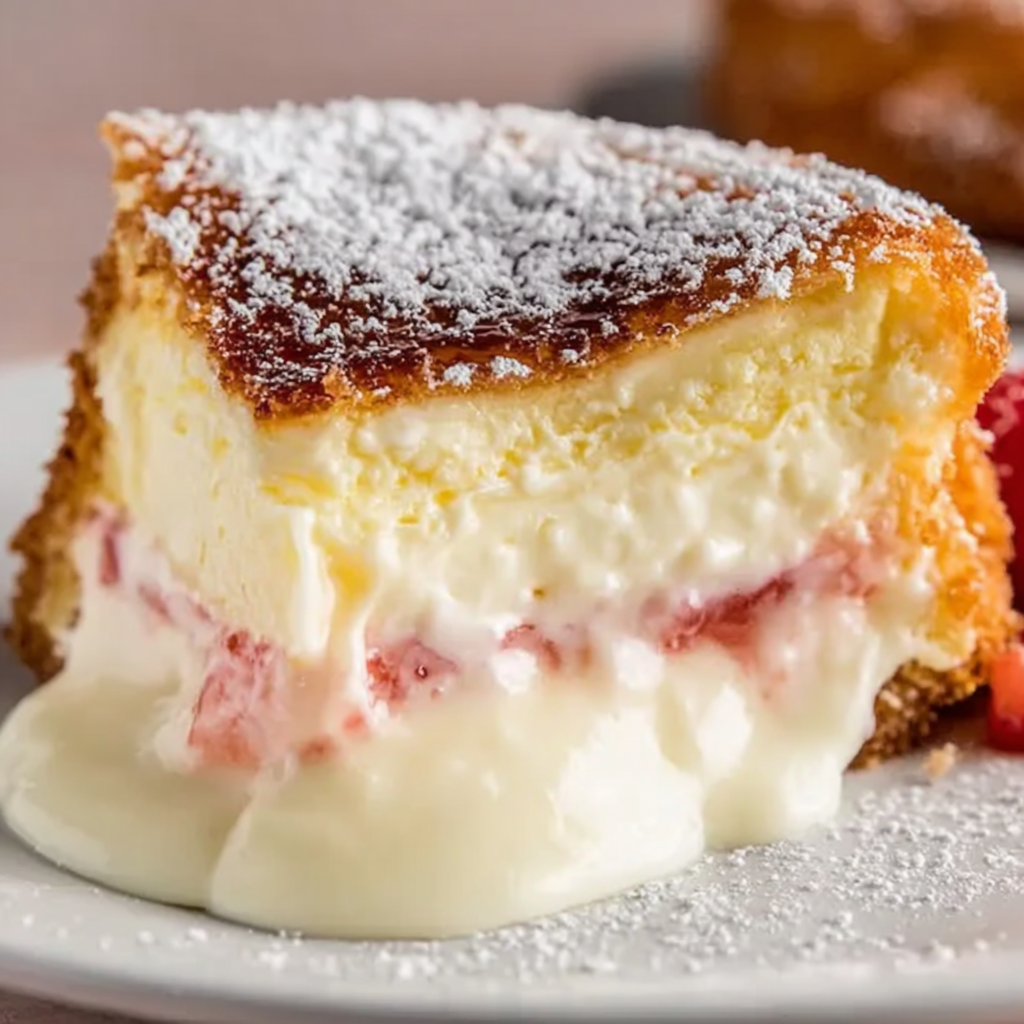
Deep fried cheesecake is a delightful twist on a classic dessert that combines creamy, sweet cheesecake with a crispy, golden shell. The contrast in textures and flavors makes every bite an unforgettable experience. Originating from state fairs and popular festivals, this indulgent treat is now easily replicable in your own kitchen.
Imagine biting into a warm, crunchy exterior, only to be met with rich, velvety cheesecake inside. It’s a dessert that brings comfort, joy, and a sense of fun – perfect for gatherings or a special treat for yourself. Let's dive into creating this mouth-watering delicacy that will surely impress anyone lucky enough to share it.
Ingredients
- 8 oz cream cheese
Cream cheese forms the base of your cheesecake, providing that rich and creamy texture. It also offers a subtle tanginess that balances the sweetness of the dessert. - 1/2 cup granulated sugar
Granulated sugar not only sweetens the cheesecake filling but also helps achieve the right texture. It integrates seamlessly with the cream cheese for a smooth result. - 1 tsp vanilla extract
Vanilla extract adds depth to the flavor profile, enhancing the overall sweetness and aroma of the cheesecake. - 1 large egg
The egg acts as a binder, helping the filling set properly while also contributing richness to the cheesecake. - 1 cup all-purpose flour
Flour forms the batter for the coating. It creates a crispy layer when deep-fried, ensuring the cheesecake is enveloped in a delectable crunch. - 1/2 tsp baking powder
Baking powder helps create a light and airy texture in the batter, contributing to the crunchiness of the fried exterior. - 1 cup milk
Milk helps in creating a smooth batter for the coating, ensuring it adheres well to the cheesecake and fries evenly. - 1 cup breadcrumbs
Breadcrumbs provide an extra level of crispiness to the coating after frying, yielding a wonderfully textured exterior. - Vegetable oil for frying
Choosing a neutral oil with a high smoke point is essential for frying, as it allows for even cooking without imparting additional flavors to the cheesecake. - Powdered sugar for dusting
A light dusting of powdered sugar finishes the dish with a touch of elegance, enhancing its presentation and adding a gentle sweetness.
Directions & Preparation
Step 1: Prepare the cheesecake filling.
Begin by blending the cream cheese, granulated sugar, vanilla extract, and egg in a mixing bowl until smooth. This step is crucial as it ensures a homogenous filling without lumps. Taste the mixture, adjusting sweetness if needed, as it will reflect the overall flavor of the finished dessert.
Step 2: Chill the mixture.
Transfer the cheesecake filling to a baking dish lined with parchment paper and spread it evenly. Refrigerate for at least 2-3 hours, or until firm. Chilling helps the cheesecake set, making subsequent steps easier. A well-chilled filling will hold its shape when fried, ensuring a deliciously gooey interior.
Step 3: Cut the chilled cheesecake into squares or triangles.
Once the cheesecake filling has set, use a sharp knife to cut it into desired shapes. This step will determine how many portions you can serve. Handle with care to avoid breaking the pieces and ensure each slice has the right proportion of cheesecake to crust.
Step 4: Prepare the batter.
In a bowl, combine the flour, baking powder, and milk until smooth, creating a thick batter. The consistency of the batter matters; it should coat the cheesecake without dripping excessively. A good batter clings well and gives a satisfying crunch once fried.
Step 5: Coat the cheesecake pieces.
Dip each cheesecake piece into the batter, ensuring it is fully coated. Let any excess batter drip off to prevent clumping in the frying oil. This step is important for achieving that perfect outer layer – too much batter can create an overly doughy texture.
Step 6: Coat with breadcrumbs.
After battering, roll the cheesecake pieces in breadcrumbs until evenly covered. This final layer brings texture and crunch, necessary for the iconic fried cheesecake experience. Make sure the breadcrumbs adhere well to form a crisp shell.
Step 7: Heat the oil for frying.
In a deep pot or fryer, heat a sufficient amount of vegetable oil until it reaches about 350°F (175°C). Attaining the right temperature is critical; too low will result in greasy cheesecake, while too high can burn the coating before the inside is cooked.
Step 8: Fry the cheesecake pieces.
Carefully lower the breaded cheesecake pieces into the hot oil, frying in batches if necessary to avoid overcrowding. Fry for about 2-3 minutes or until golden brown. Monitoring the frying process is key to achieving a uniform color and texture.
Step 9: Drain and serve.
Once golden, remove the fried cheesecakes from the oil and place them on a paper towel to drain excess oil. Dust with powdered sugar while warm and serve immediately. This step enhances the presentation and brings a lovely sweetness to the finished dish.

Flavor Variations to Explore
While the classic cheesecake filling is always a hit, consider experimenting with different flavors. Adding lemon zest or chocolate chips to the filling can infuse it with unique notes, making your fried cheesecake even more special. Alternatively, try integrating fruit purees or spices for a creative twist that personalizes this indulgent treat.
Serving Suggestions for a Perfect Pairing
Deep fried cheesecake is versatile in terms of serving options. Pair it with fresh berries or a scoop of vanilla ice cream to balance the richness of the dessert. Drizzling a warm chocolate or raspberry sauce over the fried slices can elevate the dessert's visual appeal and add an extra layer of flavor that many will find irresistible.
Healthier Cooking Methods
For those looking to enjoy this decadent dessert with a lighter twist, consider air frying instead of traditional deep frying. This method uses significantly less oil, reducing the overall calorie count while still achieving a satisfying crunch. Just be sure to adjust cooking times as required, allowing each piece to crisp up perfectly.
FAQs
What can I do if my batter is too thick?
If the batter is too thick to coat smoothly, add a little more milk, a tablespoon at a time, until the desired consistency is achieved for proper adherence.
How can I adjust the sweetness for my cheesecake?
If you find the filling too bland, consider adding additional sugar or flavor enhancements like a touch of honey or maple syrup to elevate the sweetness and depth.
What if my cheesecake cracks during frying?
If cracks appear, it may be due to the cheesecake pieces being too large or frying at too high a temperature. Make sure to fry smaller batches and monitor the oil temperature closely.
Can I make a chocolate cheesecake version?
Absolutely! Substitute some cream cheese with chocolate cream cheese or add cocoa powder to the mixture for a luscious chocolatey variation that pairs well with the fried texture.
Is there a gluten-free option for the batter?
Yes, you can use gluten-free all-purpose flour or almond flour in place of regular flour to create a gluten-free batter that still yields great results.
What oil works best for frying?
Use a neutral oil with a high smoke point, such as vegetable, canola, or peanut oil, ensuring even frying and preventing burnt flavors.
Conclusion
Deep fried cheesecake is an extravagant treat that invites a playful culinary adventure into your home. With its delightful combination of flavors and textures, it stands out as a unique dessert that can impress your guests or satisfy your cravings.
Whether sticking to a classic recipe or experimenting with variations, the process is straightforward and rewarding. So gather your ingredients and start frying – a delicious surprise awaits!
Recipe Card
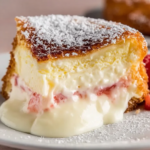
Indulge in Decadence with Deep Fried Cheesecake
Ingredients
- 8 oz cream cheese
- 1/2 cup granulated sugar
- 1 tsp vanilla extract
- 1 large egg
- 1 cup all-purpose flour
- 1/2 tsp baking powder
- 1 cup milk
- 1 cup breadcrumbs
- Vegetable oil for frying
- Powdered sugar for dusting
Instructions
- Prepare the cheesecake filling.
- Chill the mixture.
- Cut the chilled cheesecake into squares or triangles.
- Prepare the batter.
- Coat the cheesecake pieces.
- Coat with breadcrumbs.
- Heat the oil for frying.
- Fry the cheesecake pieces.
- Drain and serve.
Notes
Additional serving suggestions: pair with a crisp salad, garlic bread, or roasted seasonal vegetables for balance.
For make-ahead, prep components separately and assemble just before heating to preserve texture.
Taste and adjust with acid (lemon/vinegar) and salt right at the end to wake up flavors.