Introduction
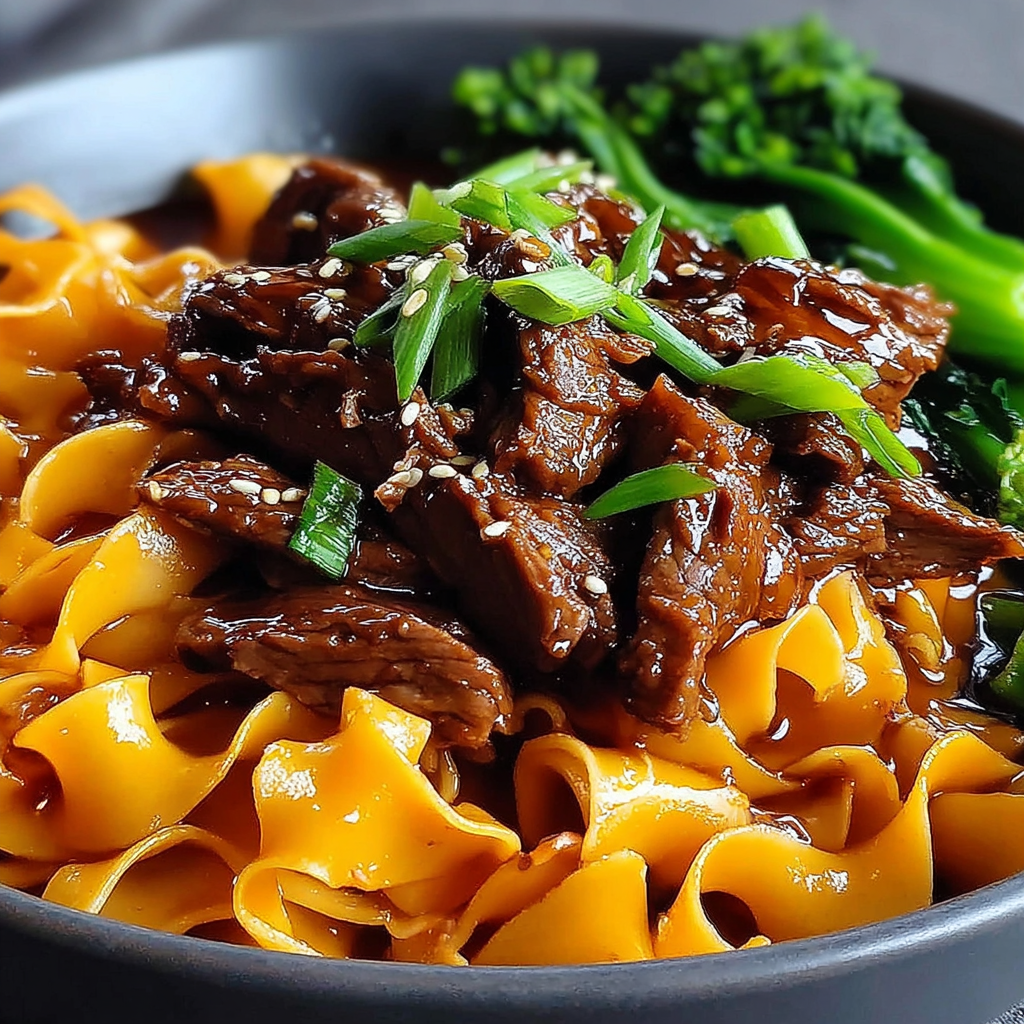
Korean Beef Bulgogi Bowls are a delightful way to enjoy marinated, tender beef with a variety of fresh toppings and a spicy, creamy sauce. Perfect for weeknight dinners or meal prepping, these bowls offer a comforting yet vibrant meal experience.
The key to a successful bulgogi lies in the marinade, which infuses the beef with a sweet and savory flavor. Combined with a creamy gochujang sauce, this dish is both comforting and exciting, making each bite a celebration of Korean cuisine.
With just the right balance of umami, spiciness, and creaminess, these bowls are sure to become a family favorite, allowing every home cook to showcase the bold flavors of Korean cooking without needing a culinary degree.
Ingredients
- 1 lb sirloin beef, thinly sliced
Using sirloin ensures tenderness and flavor, making it ideal for bulgogi. The thin slicing allows for quick cooking and maximum absorption of the marinade. - 1/4 cup soy sauce
Soy sauce serves as the base for the marinade, adding depth of flavor and saltiness that enhances the natural taste of the beef. - 2 tbsp brown sugar
Brown sugar balances the savory flavors with a subtle sweetness, helping to caramelize the meat while it cooks, adding a rich layer of flavor. - 1 tbsp sesame oil
Sesame oil contributes a nutty aroma and flavor, elevating the dish's overall taste profile while also enriching the marinade. - 3 cloves garlic, minced
Garlic adds a pungent kick, enhancing the depth of the marinade and infusing the beef with its aromatic flavor during cooking. - 1-inch piece ginger, grated
Ginger provides a warm, zesty taste that complements the other flavors, giving the marinade a fresh, invigorating element. - 1 tbsp gochujang
Gochujang, a Korean chili paste, adds heat and a unique sweetness, essential for the bulgogi and sauce, making the dish distinctly Korean. - 2 cups cooked rice (white or brown)
Rice acts as the base of the bowls, creating a filling foundation that helps absorb the savory juices from the beef and sauce. - 1 cucumber, julienned
Cucumber adds a refreshing crunch that balances the richness of the beef and sauce, providing a textural contrast within the bowl. - 1 carrot, julienned
Carrots bring a natural sweetness and bright color, enhancing the visual appeal and overall freshness of the dish. - 2 green onions, sliced
Green onions introduce a fresh, sharp flavor, adding brightness and a pop of color, while also garnishing the finished dish. - 1 sesame seeds, for garnish
Sesame seeds add a slight crunch and nutty flavor, contributing to the dish's visual texture and enhancing its Korean essence. - 1/4 cup mayonnaise
Mayo serves as the base for the creamy gochujang sauce, providing a rich, velvety texture that tempers the heat of the gochujang. - 1 tbsp gochujang (for sauce)
Using gochujang in the sauce amplifies the flavor, achieving the desired balance of heat and creaminess that complements the beef beautifully. - 1 tsp lime juice
Lime juice brightens the sauce, adding acidity that cuts through the creaminess and enhances the overall flavor profile.
Directions & Preparation
Step 1: Marinate the beef.
In a bowl, combine soy sauce, brown sugar, sesame oil, garlic, ginger, and gochujang. Add the sliced beef, mixing until well coated. Let the beef marinate for at least 30 minutes or up to overnight in the refrigerator. This step is crucial as it allows the flavors to penetrate the meat, resulting in more flavorful and tender beef.
Step 2: Prepare the sauce.
In a small bowl, mix mayonnaise, gochujang, and lime juice until smooth. Adjust the heat by adding more gochujang if desired. The sauce is key as it provides a creamy, spicy element that complements the beef and fresh vegetables, enhancing the overall flavor of the dish.
Step 3: Cook the beef.
In a skillet over medium-high heat, add the marinated beef in batches, cooking for about 3-4 minutes until browned and cooked through. Avoid overcrowding the pan to ensure a delicious, caramelized exterior. This step is essential for achieving the signature bulgogi flavor and texture, as proper cooking ensures that the beef remains tender and juicy.
Step 4: Prepare the rice.
While the beef cooks, prepare the rice according to package instructions. You can use leftover rice or make it fresh. Rice serves as the foundation for the bowls, absorbing the savory juices and offering a neutral base that complements the bold flavors of the dish.
Step 5: Assemble the bowls.
In serving bowls, layer rice at the bottom, followed by the cooked beef, and then the fresh vegetables: cucumber, carrot, and green onions. Artfully arranging the components makes for an appealing presentation and emphasizes the freshness of the ingredients, enhancing the overall eating experience.
Step 6: Drizzle with sauce and garnish.
Finally, drizzle the creamy gochujang sauce over each bowl and top with sesame seeds. This finishing touch not only elevates the flavor but also adds a beautiful visual appeal, inviting everyone to dig in.

Unlocking the Perfect Marinade
The marinade for the beef bulgogi is a harmonious blend of soy sauce, brown sugar, sesame oil, garlic, and ginger. Each ingredient plays a vital role in tenderizing the beef while infusing it with a deep and complex flavor profile. Allowing the beef to marinate longer enhances these flavors, resulting in an irresistibly savory and aromatic dish.
Balancing Heat and Creaminess
The creamy gochujang sauce is where the magic happens, melding spiciness and richness into one harmonious condiment. By blending mayonnaise with gochujang and a splash of lime juice, the sauce becomes both refreshing and decadent. This balance allows you to control the heat level, making it versatile for all preferences while elevating every bite of the bulgogi.
Adding Freshness to Comfort
Incorporating fresh vegetables like cucumber and carrot into your bulgogi bowls adds an important crunch and a burst of color. This not only enhances the visual appeal of the dish but also provides a textural contrast to the tender, marinated beef. The freshness of these ingredients lifts the overall meal, making it feel light and invigorating, even with the rich flavors at play.
FAQs
My sauce turned out too thick. What can I do?
If your sauce is too thick, you can thin it out with a little water or additional lime juice. Start with a teaspoon at a time until you reach the desired consistency.
What should I do if my beef becomes overcooked?
If the beef becomes overcooked, it can dry out. To avoid this, make sure to cook in smaller batches and monitor closely for doneness, removing it from the heat as soon as it's browned.
Can I use different cuts of beef?
Yes, you can substitute flank steak or ribeye for the sirloin. Just ensure the beef is thinly sliced for proper marination and quick cooking.
I find my bulgogi too bland. How can I enhance the flavor?
If you find your bulgogi lacking flavor, consider increasing the marinade time or adding more gochujang and garlic to the mix. Adjust the seasoning to taste after cooking.
What vegetables can I add to the bowls?
You can add vegetables like bell peppers, radishes, or even leafy greens for additional nutrients and color. Just ensure they remain fresh and crisp.
Is there a way to make this dish more spicy?
For an extra kick, you can either increase the amount of gochujang in the marinade or drizzle some extra gochujang on top of the assembled bowls for immediate heat.
Conclusion
Korean Beef Bulgogi Bowls with Creamy Gochujang Sauce are a fusion of rich tastes and vibrant textures. With the right balance of savoriness, spice, and creaminess, they create an inviting meal that showcases the essence of Korean cuisine.
Whether you are sharing them with family at the dinner table or enjoying them as a solo indulgence, these bowls promise satisfaction with each bite. Prepare to be delighted by a dish that’s both comforting and delicious, bringing a taste of Korea to your home.
Recipe Card

Korean Beef Bulgogi Bowls with Creamy Gochujang Sauce
Ingredients
- 1 lb sirloin beef thinly sliced
- 1/4 cup soy sauce
- 2 tbsp brown sugar
- 1 tbsp sesame oil
- 3 cloves garlic minced
- 1- inch piece ginger grated
- 1 tbsp gochujang
- 2 cups cooked rice white or brown
- 1 cucumber julienned
- 1 carrot julienned
- 2 green onions sliced
- 1 sesame seeds for garnish
- 1/4 cup mayonnaise
- 1 tbsp gochujang for sauce
- 1 tsp lime juice
Instructions
- Marinate the beef.
- Prepare the sauce.
- Cook the beef.
- Prepare the rice.
- Assemble the bowls.
- Drizzle with sauce and garnish.
Notes
Additional serving suggestions: pair with a crisp salad, garlic bread, or roasted seasonal vegetables for balance.
For make-ahead, prep components separately and assemble just before heating to preserve texture.
Taste and adjust with acid (lemon/vinegar) and salt right at the end to wake up flavors.