Introduction
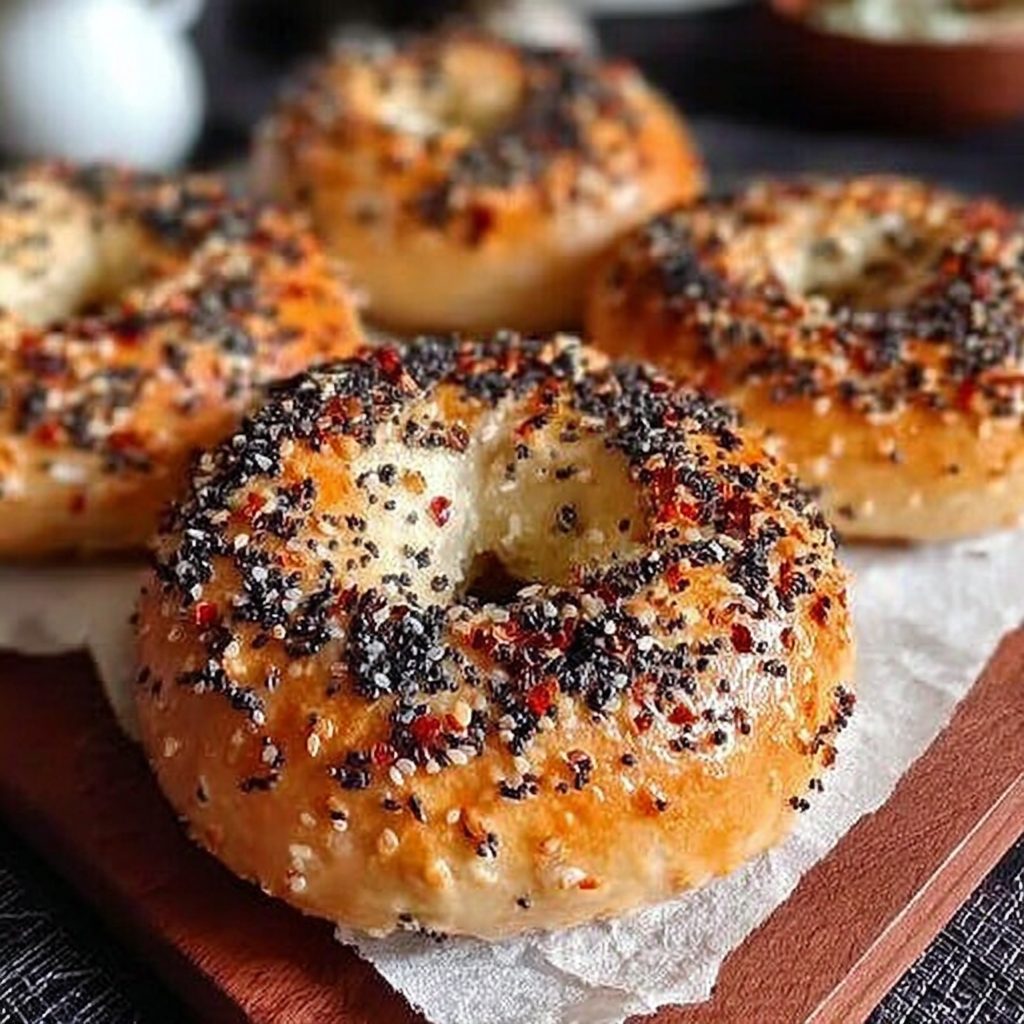
New York Style Bagels are known for their iconic chewy texture and shiny exterior, often described as the pinnacle of bagel perfection. With roots tracing back to the Jewish communities of New York in the late 19th century, these bagels have transcended their humble beginnings to become a beloved staple not just in the Big Apple but across the globe.
The magic of a New York Style Bagel lies in its unique preparation process, which involves boiling the dough before baking. This method not only contributes to that coveted chewiness but also creates a glossy crust that sets it apart from other variations. Let's delve into the intricacies of making these delicious bagels in the comfort of your own kitchen.
Ingredients
- 4 cups bread flour
Bread flour has a higher protein content compared to all-purpose flour, which helps create a stronger gluten structure. This is essential for the chewiness characteristic of New York Style Bagels. - 1 tablespoon sugar
Sugar enhances the yeast's activity and contributes to the browning of the bagels during baking. It also adds just a hint of sweetness to balance the flavors. - 1 tablespoon salt
Salt not only adds flavor but also helps to regulate the yeast growth during fermentation. This ensures that the bagels rise properly and develop a good texture. - 1 tablespoon active dry yeast
Yeast is the leavening agent that gives bagels their rise. Active dry yeast needs to be activated in warm water before being mixed with the dry ingredients. - 1.5 cups warm water
Warm water is crucial for activating the yeast. It creates an ideal environment for yeast fermentation, which is essential for the dough's rise. - 2 tablespoons barley malt syrup
Barley malt syrup adds depth of flavor and enhances the bagels’ color. It's also an important ingredient in the boiling water that gives bagels their distinct shine. - Poppy seeds or sesame seeds (optional)
These seeds are used for topping the bagels, adding flavor and texture. They contribute to the traditional presentation and can enhance the overall eating experience.
Directions & Preparation
Step 1: Activate the yeast.
In a small bowl, combine warm water (about 110°F) with the active dry yeast and sugar. Stir gently and let it sit for about 5-10 minutes until it becomes frothy. This step is crucial as it ensures that the yeast is alive and ready to help the dough rise. If the mixture does not foam, your yeast may be dead, and you need to start over with fresh yeast.
Step 2: Combine dry ingredients.
In a large mixing bowl, whisk together the bread flour and salt. This helps to evenly distribute the salt and prepares the dry mix for the addition of wet ingredients. Avoid adding salt directly to the yeast mixture, as it can inhibit yeast activity.
Step 3: Mix the dough.
Pour the yeast mixture into the bowl with the flour and salt, followed by the barley malt syrup. Mix with a wooden spoon or your hands until a shaggy dough forms. At this stage, it’s important to ensure that all flour is incorporated. If the dough is too sticky, you can sprinkle a little more flour as needed.
Step 4: Knead the dough.
Turn the shaggy dough onto a floured surface and knead for about 10 minutes until it is smooth and elastic. Kneading develops gluten, which will give the bagels their chewiness. The dough should spring back when pressed and be somewhat tacky but not overly sticky.
Step 5: First rise.
Place the kneaded dough in a lightly greased bowl, cover it with a clean cloth, and let it rise in a warm place until it doubles in size, about 1-2 hours. This fermentation process not only enhances the flavor but also increases the size of the bagels.
Step 6: Shape the bagels.
Once the dough has risen, punch it down to release air. Divide it into 8 equal pieces and shape each piece into a ball. To form the bagel shape, poke a hole in the center of each ball and stretch it out gently. This step defines the classic shape and ensures even cooking during boiling.
Step 7: Second rise.
Place the shaped bagels on a floured surface, cover them lightly, and let them rest for about 30 minutes. This allows the gluten to relax, making it easier for them to maintain their shape during the boiling process.
Step 8: Boil the bagels.
Bring a large pot of water to a boil and stir in the barley malt syrup. Gently drop bagels, a few at a time, into the boiling water, cooking for about 1 minute on each side. This crucial step creates a crusty exterior while maintaining a chewy inside. It’s important not to overcrowd the pot during boiling.
Step 9: Prepare for baking.
Preheat your oven to 425°F. Line a baking sheet with parchment paper. After boiling, place the bagels on the prepared sheet. If desired, sprinkle poppy or sesame seeds on top to add flavor and texture before baking.
Step 10: Bake the bagels.
Bake the bagels in the preheated oven for 20-25 minutes or until they are golden brown. The baking time is crucial and varies with individual ovens so keep an eye on them. A nice golden color indicates they are fully cooked. The exterior should also feel hard to the touch.
Step 11: Cool and enjoy.
Remove the bagels from the oven and let them cool on a wire rack. This cooling period allows the interior to set properly. Slicing them warm is tempting, but allowing them to cool will improve texture and makes them easier to slice and toast later.

Understanding the Boiling Step
The boiling process is what makes New York Style Bagels distinct. Boiling the bagels in a mixture that includes barley malt syrup helps achieve a glossy finish and a chewy bite. This step is vital, as it forms the crust while allowing the bagel's interior to steam and swell. Skipping this part could lead to bagels that are more bread-like and less authentic.
Choosing the Right Flour
While bread flour is the go-to choice for making bagels, experimenting with protein percentages can lead to different textures. Some bakers blend bread flour with a bit of all-purpose flour for a softer result. However, sticking primarily with bread flour ensures that the bagels will have the chewy texture that defines New York Style. Always measure flour accurately to maintain consistency.
Toppings and Variations
Traditional New York Style Bagels are often topped with sesame or poppy seeds, but they can easily be customized to suit personal taste. Consider adding everything bagel seasoning, or even experimenting with garlic or onion flakes. For a sweeter treat, try cinnamon sugar. The possibilities are endless, allowing each baker to put their signature touch on a classic.
FAQs
Why are my bagels too chewy?
If the bagels turn out excessively chewy, it could be due to over-kneading. Kneading develops gluten, and while some elasticity is essential, too much kneading can lead to overly tough bagels. Monitor the kneading period and aim for smoothness without excessive gluten formation.
What can I do if my dough is too sticky?
If the dough feels too sticky, try adding a small amount of flour, one tablespoon at a time, while kneading until it reaches a smooth consistency. Avoid adding too much flour, as this can lead to dense bagels.
Can I use all-purpose flour instead of bread flour?
While you can use all-purpose flour, it won’t create the same chewy texture. Bread flour’s higher protein content is ideal for bagels, but if you have to use all-purpose, consider adding vital wheat gluten to mimic the texture.
How can I enhance the flavor of my bagels?
Enhancing flavor can be done by adding toppings, like sea salt or flavored sesame seeds, or by including spices into the dough. Additionally, letting the dough ferment longer can deepen the flavor profile significantly.
What should I do if my bagels don't rise?
If your bagels don’t rise, check the yeast’s expiration date and ensure the water temperature wasn’t too hot, which can kill yeast. If the dough hasn’t risen after the waiting period, it’s recommended to start over with a fresh yeast batch.
What if I want to make mini bagels?
To make mini bagels, divide your dough into smaller portions before shaping. The boiling time will be shorter, so keep an eye on them during the boiling stage to ensure they don’t overcook.
Why are my bagels pale or unevenly baked?
Paleness can result from the oven temperature being too low or the bagels not baking long enough. For an even bake, make sure you preheat the oven fully and consider rotating the bagels halfway through the baking time.
Conclusion
Making New York Style Bagels at home is a rewarding culinary adventure that yields delicious results. With patience and attention to detail, you can replicate a bakery favorite right in your kitchen. Remember that practice makes perfect, and each batch will help you refine your technique.
Enjoy your freshly baked bagels plain, toasted, or with your favorite spread. Explore different toppings and variations, and share with friends and family to savor the joy of homemade baking.
Recipe Card
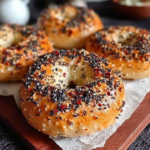
Crafting Authentic New York Style Bagels at Home
Ingredients
- 4 cups bread flour
- 1 tablespoon sugar
- 1 tablespoon salt
- 1 tablespoon active dry yeast
- 1.5 cups warm water
- 2 tablespoons barley malt syrup
- Poppy seeds or sesame seeds optional
Instructions
- Activate the yeast.
- Combine dry ingredients.
- Mix the dough.
- Knead the dough.
- First rise.
- Shape the bagels.
- Second rise.
- Boil the bagels.
- Prepare for baking.
- Bake the bagels.
- Cool and enjoy.
Notes
Additional serving suggestions: pair with a crisp salad, garlic bread, or roasted seasonal vegetables for balance.
For make-ahead, prep components separately and assemble just before heating to preserve texture.
Taste and adjust with acid (lemon/vinegar) and salt right at the end to wake up flavors.