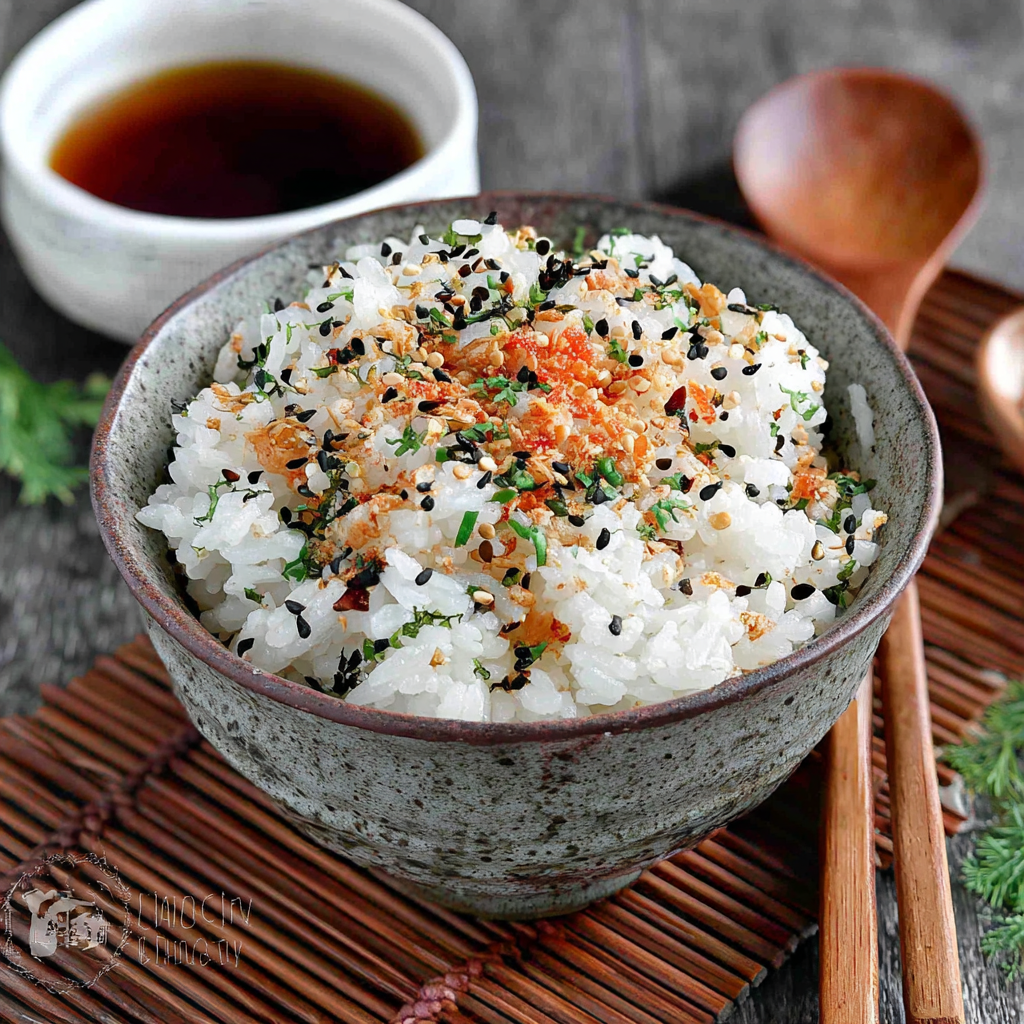
Introduction
Japanese white rice, known as 'shirataki gohan', is a cornerstone of Japanese cuisine, providing a delicate base for numerous dishes. Its subtle flavor and unique texture make it a beloved staple, cherished for its versatility and ability to absorb accompanying flavors.
Cooking perfect Japanese white rice involves a few essential steps, each contributing significantly to the final taste and texture. From rinsing to measuring water ratios, understanding these details can elevate your rice game and deliver a delightful experience at your dining table.
Ingredients
- 2 cups Japanese short-grain rice
Short-grain rice is essential for its sticky texture, which allows grains to clump together. This characteristic makes it perfect for sushi and easy to pick up with chopsticks. - 2 1/2 cups water
The water-to-rice ratio is vital for proper cooking. Using the right amount ensures the rice absorbs enough moisture to become tender while maintaining its signature chewy texture. - 1 tablespoon rice vinegar (optional)
While optional, rice vinegar adds a subtle tang that can enhance the aroma and flavor. It is particularly useful if you plan to make sushi rice. - 1 teaspoon salt (optional)
Salt enhances flavor and can also help achieve a well-rounded taste profile. It's particularly useful when serving rice alongside delicate dishes.
Directions & Preparation
Step 1: Rinse the rice under cold water until it runs clear.
Rinsing is crucial as it removes excess starch that can cause the rice to become too sticky and gummy. This process ensures each grain remains distinct after cooking, resulting in a light and fluffy texture.
Step 2: Soak the rice for approximately 30 minutes.
Soaking the rice allows it to absorb some water before cooking, leading to better texture and even cooking. This step helps each grain to expand fully and promotes fluffiness, rather than a clumpy outcome.
Step 3: Drain the rice and combine it with the correct amount of water in a rice cooker or pot.
Properly draining the rice and measuring the water accurately are vital for cooking. Using a rice cooker simplifies this process, as it often comes with preset options for different rice types, ensuring precision.
Step 4: Begin cooking the rice on high heat until it steams, then reduce to low heat.
Starting on high heat helps bring the water to a boil quickly; once it starts steaming, reducing the heat is crucial to cook the rice evenly without burning it. This gradual cooking process preserves the rice’s structure and flavor.
Step 5: Let the rice sit covered for about 10 minutes after cooking.
Allowing the rice to rest is a necessary step that lets the remaining steam continue cooking it gently. This resting period helps incorporate moisture evenly throughout, ensuring each grain is tender and fluffy.
Step 6: Fluff the rice gently with a rice paddle and, if desired, add vinegar and salt.
Fluffing the rice helps separate the grains, preventing them from sticking together. Adding vinegar and salt at this stage infuses flavor without overwhelming the dish, creating a perfect accompaniment for any meal.

The Importance of Rice Types in Japanese Cuisine
When it comes to Japanese cuisine, the type of rice you choose significantly influences your dish's texture and flavor. Japanese short-grain rice, renowned for its sticky texture when cooked, is preferred because it effortlessly absorbs sauces and pairs well with sushi. In contrast, long-grain rice varieties lack the same moisture retention, resulting in a less cohesive texture and a different culinary experience.
Enhancing Flavor with Seasoning
Experimenting with seasoning can elevate the simplicity of plain rice. Rice vinegar and salt add a subtle yet flavorful dimension, especially beneficial for sushi. Consider adding konbu (sea kelp) during cooking for umami depth without overpowering the rice's delicate nature. Understanding how seasoning works can transform your rice from a mere side dish to a flavorful element of your meal.
Serving Suggestions for Japanese Rice
Japanese white rice serves as the perfect base for many traditional dishes. It pairs beautifully with grilled fish, tempura, or even a simple miso soup. Furthermore, try incorporating roasted vegetables or pickled items as toppings for a balanced meal. Showcasing the rice elevates its role from a side dish to a fragrant and essential component of Japanese dining.
FAQs
What should I do if the rice is too sticky?
If your rice turns out too sticky, it may have been overcooked or rinsed inadequately. In your next attempt, ensure to rinse the rice thoroughly until the water runs clear and watch the cooking times closely.
Can I increase the recipe to serve more people?
Yes, you can easily scale up the recipe. Just maintain the same water-to-rice ratio even as you increase the quantities, measuring carefully to maintain texture and flavor.
What if the rice turns out dry?
Dry rice is often a result of insufficient water ratios or cooking time. If this happens, add a small amount of water and cover the pot to steam for a few more minutes to improve moisture.
Can I cook the rice without a rice cooker?
Absolutely! Just use a heavy-bottomed pot and follow the same rinsing and soaking methods. Monitor the heat and timing carefully for even cooking.
How do I know when the rice is done cooking?
The rice is done when all the water is absorbed, and the grains appear tender yet firm. You can check this by lifting the lid briefly to avoid losing steam.
Why does my rice sometimes taste bland?
Bland rice can result from insufficient seasoning or lack of time for the flavors to develop during cooking. Adjusting your salt and experimenting with added flavorings can elevate the taste.
Conclusion
Mastering Japanese white rice can bring depth and authenticity to your meals, making you feel connected to an essential part of Japanese culture. With a few careful steps, you can achieve the perfect balance of flavor and texture, turning this simple ingredient into a culinary delight.
Embrace the versatility of Japanese white rice as you explore new flavors and dishes. As you become more comfortable with the cooking process, don’t hesitate to adapt and personalize your rice experience according to your palate.
Recipe Card
Perfecting the Art of Japanese White Rice Cooking
Ingredients
- 2 cups Japanese short-grain rice
- 2 1/2 cups water
- 1 tablespoon rice vinegar optional
- 1 teaspoon salt optional
Instructions
- Rinse the rice under cold water until it runs clear.
- Soak the rice for approximately 30 minutes.
- Drain the rice and combine it with the correct amount of water in a rice cooker or pot.
- Begin cooking the rice on high heat until it steams, then reduce to low heat.
- Let the rice sit covered for about 10 minutes after cooking.
- Fluff the rice gently with a rice paddle and, if desired, add vinegar and salt.
Notes
Additional serving suggestions: pair with a crisp salad, garlic bread, or roasted seasonal vegetables for balance.
For make-ahead, prep components separately and assemble just before heating to preserve texture.
Taste and adjust with acid (lemon/vinegar) and salt right at the end to wake up flavors.