Introduction
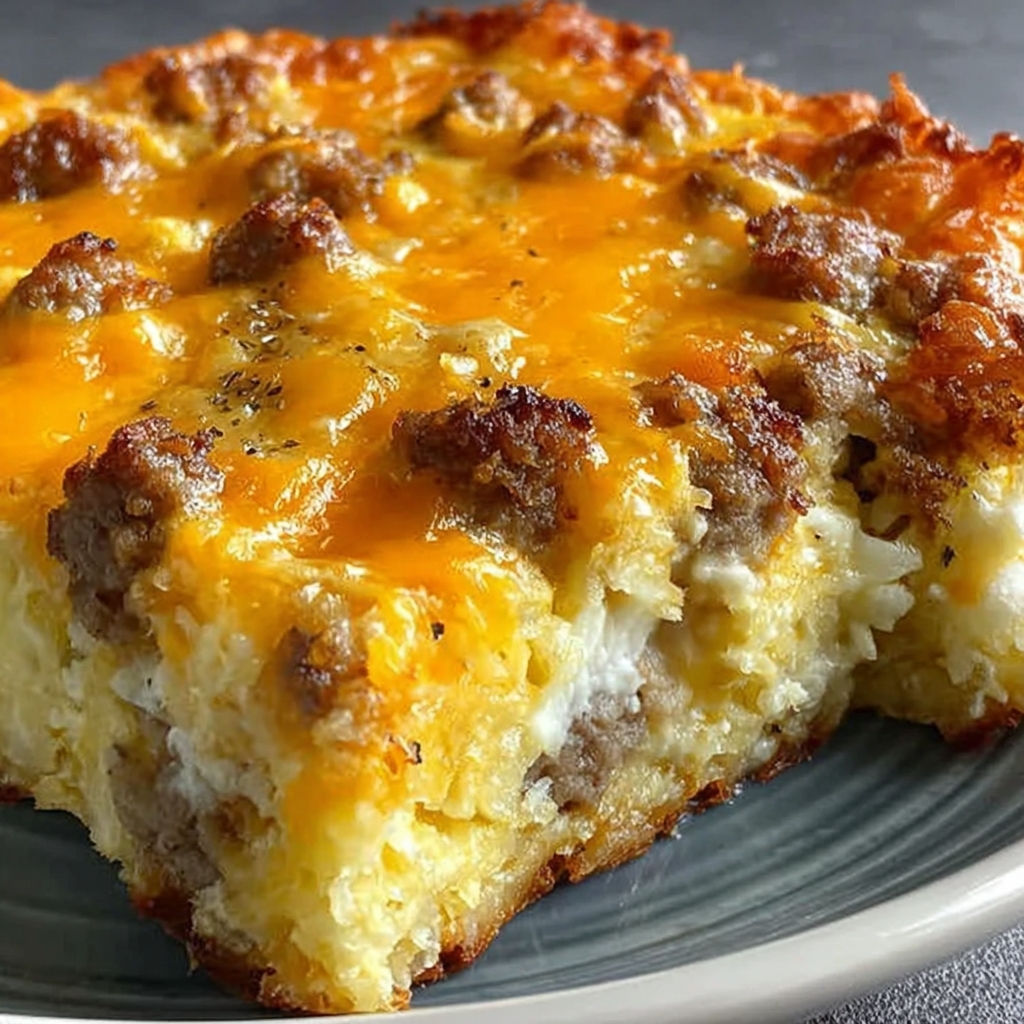
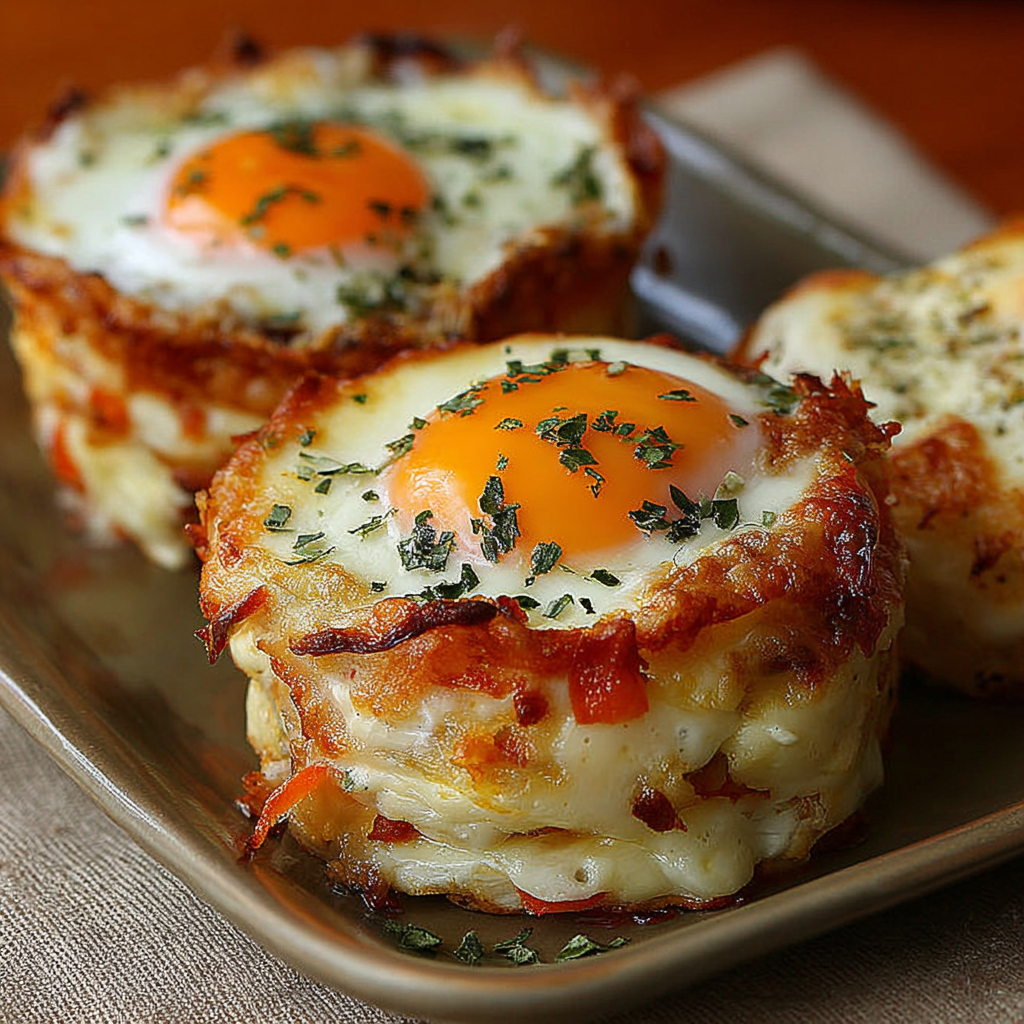
Baked Eggs Napoleon is a delightful dish that transforms simple ingredients into a layered work of culinary art. This recipe features eggs nestled between savory layers, bringing an exciting twist to your brunch table. It's not just about the taste; it's about the aesthetics and satisfaction of creating something uniquely beautiful.
At its core, this dish combines the richness of baked eggs with the crispy texture of puff pastry, making it both comforting and indulgent. Baked Eggs Napoleon is perfect for lazy weekend mornings or special occasions when you want to impress your guests without spending hours in the kitchen. It’s an invitation to explore flavors and techniques that elevate your cooking and showcase your creativity.
Ingredients
- 4 large eggs
Eggs are the star ingredient, providing creaminess and protein. Their yolks become beautifully set during the baking process, contributing to a rich texture and flavor. - 1 sheet of puff pastry
Puff pastry acts as the base that holds the eggs and other ingredients together. It adds a flaky, buttery layer that contrasts beautifully with the soft baked eggs. - 1/2 cup heavy cream
Heavy cream enriches the dish, making it decadent and silky. It helps create a custard-like consistency that binds the layers and enhances the overall flavor. - 1/2 cup grated cheese (Gruyère or cheddar)
The cheese adds depth and savory notes to the dish. As it melts, it creates an oozy texture and elevates the flavors of the baked eggs. - 1/4 cup finely chopped fresh herbs (chives, parsley)
Fresh herbs provide a burst of flavor and freshness, balancing the richness of the eggs and cream. They also add vibrant color and aroma. - Salt and pepper to taste
Seasoning is crucial in enhancing the flavors of the dish. Salt brings out the natural taste of the ingredients, while pepper adds a subtle kick.
Directions & Preparation
Step 1: Preheat your oven to 375°F (190°C).
Preheating the oven ensures that the puff pastry bakes evenly and achieves the desired golden-brown color as the dish cooks. This step is crucial for achieving a flaky and crispy texture.
Step 2: Roll out the puff pastry and cut into squares.
Rolling out the pastry allows it to fit neatly into the baking dish or ramekins. Cutting it into squares ensures even coverage and proper layering, which are essential for uniform baking.
Step 3: Place the puff pastry in a greased baking dish or individual ramekins.
Lining the dish with puff pastry creates a sturdy base for holding the eggs and other ingredients. Greasing the dish prevents sticking and makes for easy removal when serving.
Step 4: Add a layer of heavy cream into each dish.
Pouring heavy cream at the bottom creates a luscious base for the eggs. As the eggs cook, they will absorb some of this cream, adding richness and flavor to the final dish.
Step 5: Crack an egg on top of the cream in each dish.
Cracking the eggs directly onto the cream creates a beautiful presentation. The creamy layer helps in achieving a soft texture without overcooking the eggs, allowing for perfectly runny yolks.
Step 6: Sprinkle with grated cheese and chopped herbs, then season with salt and pepper.
Adding cheese and herbs not only heightens the flavor, but also offers a visual appeal as they melt into the egg mixture. The seasoning brings all the components to life, ensuring a delicious final dish.
Step 7: Bake for 20-25 minutes, or until the eggs are set and the pastry is golden.
Baking time is critical; keeping an eye on the eggs ensures they do not overcook. The perfect bake results in a creamy yolk and a crisp pastry, creating a delightful contrast in textures.
Step 8: Let cool slightly before serving and garnish with additional herbs if desired.
Allowing the dish to rest briefly prevents burns and helps maintain the integrity of the layers. A fresh herb garnish keeps the dish vibrant and enhances the overall presentation.

The Versatility of Baked Eggs Napoleon
Baked Eggs Napoleon is not only delicious but also incredibly versatile. You can customize the dish with various ingredients like sautéed vegetables, meats, or different cheeses. Try spinach and feta for a Mediterranean twist, or diced tomatoes and Italian herbs for a fresh, summery flavor. The layers can be adapted to suit your tastes, making this dish a go-to for any occasion.
A Symphony of Textures
One of the most remarkable aspects of Baked Eggs Napoleon is the interplay of textures. The crispy puff pastry, soft baked eggs, and creamy sauce create a symphony that excites the palate. As you dig into the layers, each bite offers a new sensation — the crunch from the pastry, the silkiness of the eggs, and the smooth creaminess from the sauce mingle together beautifully, making for a memorable meal.
Perfect for Entertaining
Baked Eggs Napoleon is an impressive dish that will elevate any brunch gathering. Its beautiful presentation and rich flavors make it a standout centerpiece. Plus, it can be prepared in advance, allowing you to spend more time with guests rather than stuck in the kitchen. Simply reheat before serving, and enjoy the compliments pouring in from your delighted diners.
FAQs
Can I incorporate vegetables into the recipe?
Absolutely! Feel free to add sautéed spinach, mushrooms, or bell peppers for an added flavor and nutrition boost.
What should I do if my eggs are overcooked?
Overcooked eggs can become rubbery. To avoid this, check the eggs a few minutes before the timer goes off to ensure they achieve your desired doneness.
How can I adjust the recipe for more servings?
To scale the recipe, simply multiply the ingredient quantities by the number of servings you need. Ensure your baking dish is large enough to accommodate the additional layers.
What if my puff pastry isn’t crispy?
If your pastry isn't crisping, ensure your oven is fully preheated and consider baking it a bit longer. Avoid overloading it with ingredients that could introduce moisture.
Can I use a different type of cheese?
Yes, feel free to experiment with cheeses such as mozzarella, feta, or goat cheese for varied flavors and textures.
Is there a way to reduce the richness of this dish?
For a lighter version, you can substitute half of the heavy cream with milk or use a lower-fat cheese, though this may affect the creaminess.
Conclusion
Baked Eggs Napoleon is a dish that impresses without demanding too much of your time or effort. Its layers of flavor and texture come together to create a unique and satisfying meal that can delight any audience. With a few adjustments, it can be tailored to suit your palate and those of your guests.
Whether it’s a celebratory brunch or a cozy family breakfast, this dish is sure to make the moment special. Embrace the art of layered cooking with Baked Eggs Napoleon, and enjoy the delicious outcomes of your culinary creativity.
Recipe Card
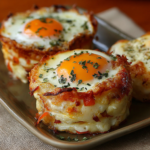
Elevate Your Brunch with Baked Eggs Napoleon
Ingredients
- 4 large eggs
- 1 sheet of puff pastry
- 1/2 cup heavy cream
- 1/2 cup grated cheese Gruyère or cheddar
- 1/4 cup finely chopped fresh herbs chives, parsley
- Salt and pepper to taste
Instructions
- Preheat your oven to 375°F (190°C).
- Roll out the puff pastry and cut into squares.
- Place the puff pastry in a greased baking dish or individual ramekins.
- Add a layer of heavy cream into each dish.
- Crack an egg on top of the cream in each dish.
- Sprinkle with grated cheese and chopped herbs, then season with salt and pepper.
- Bake for 20-25 minutes, or until the eggs are set and the pastry is golden.
- Let cool slightly before serving and garnish with additional herbs if desired.
Notes
Additional serving suggestions: pair with a crisp salad, garlic bread, or roasted seasonal vegetables for balance.
For make-ahead, prep components separately and assemble just before heating to preserve texture.
Taste and adjust with acid (lemon/vinegar) and salt right at the end to wake up flavors.