Introduction
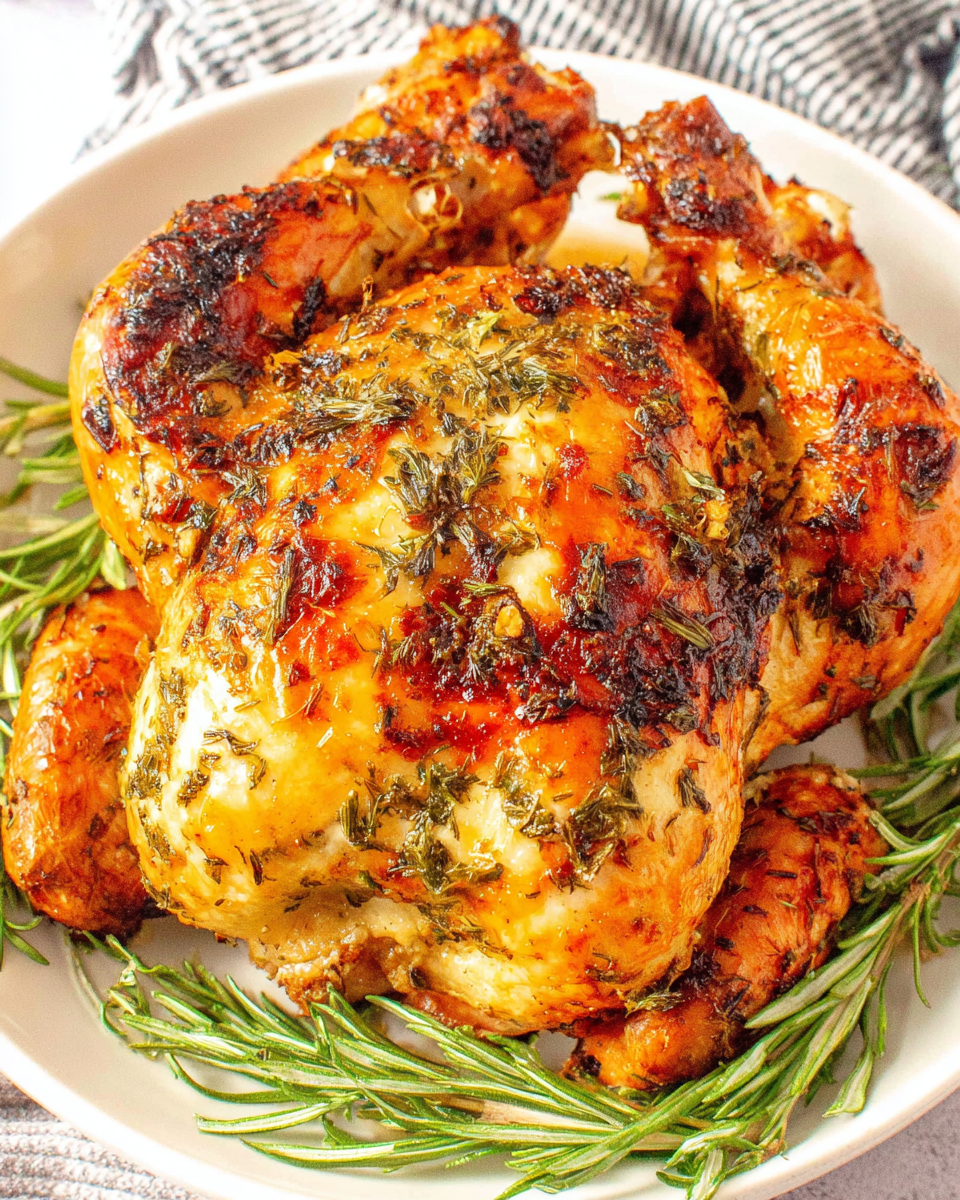
Roasting a whole chicken may seem daunting, yet it is a rewarding endeavor filled with simplicity and robust flavors. The key to success lies in the combination of garlic, herbs, and a little technique. Not only do you end up with tender, juicy meat, but the aroma that fills your kitchen is nothing short of heavenly.
This Garlic Herb Roasted Chicken recipe brings together the earthiness of garlic with fresh herbs, resulting in a succulent dish perfect for family dinners or special occasions. As the chicken roasts, the garlic caramelizes and mingles with the herbs, creating a golden, savory crust that is simply irresistible.
Ingredients
- 1 whole chicken (4-5 lbs)
The main ingredient, the whole chicken, serves as the canvas for the herbal and garlic flavors. Choosing a chicken of this size ensures even cooking and ample servings. - 1 head of garlic, cloves separated
Garlic infuses the chicken with a rich, aromatic taste. Roasting the cloves alongside the chicken mellows their sharpness, resulting in a sweet, caramelized flavor. - 2 tablespoons olive oil
Olive oil helps achieve a crispy skin while also acting as a base for the seasoning mix. It enhances the chicken's flavor and keeps the meat moist throughout the cooking process. - 1 tablespoon fresh thyme, chopped
Thyme offers a subtle earthiness that pairs beautifully with chicken. The essential oils in the fresh leaves add depth to the overall flavor profile as they roast. - 1 tablespoon fresh rosemary, chopped
Rosemary contributes a fragrant, pine-like aroma, enhancing the dish’s overall complexity and complementing the garlic perfectly. - 1 tablespoon fresh parsley, chopped
Parsley brings brightness and freshness to the dish. It not only enhances the flavor but also adds a pop of color when sprinkled over the cooked chicken. - 1 lemon, cut into wedges
Lemon wedges provide acidity, which balances the richness of the chicken. When roasted, they release their juices, adding a refreshing burst of flavor. - Salt and pepper to taste
Salt enhances flavors, while pepper adds a touch of spice. Seasoning the chicken properly ensures every bite is delicious and well-balanced.
Directions & Preparation
Step 1: Preheat the oven to 425°F (220°C).
Starting with a hot oven is crucial for achieving a crispy skin. Preheating helps the chicken render fat quickly, resulting in that desired golden-brown exterior.
Step 2: Prepare the chicken by patting it dry with paper towels.
Drying the chicken’s skin is essential for crispness. Moisture on the surface prevents browning, so taking the extra minute to pat it dry will make a significant difference.
Step 3: Rub olive oil all over the chicken, inside and out.
Coating the chicken with olive oil not only helps with browning but also allows the herbs and seasonings to adhere better, infusing the meat with extra flavors during roasting.
Step 4: Season generously with salt and pepper.
Proper seasoning ensures that the flavors penetrate the chicken thoroughly. Be liberal with the salt and pepper, as they elevate the overall taste of the dish.
Step 5: Stuff the cavity with garlic cloves and lemon wedges.
Stuffing garlic and lemon inside the chicken results in a fragrant roast. As they cook, the garlic softens and sweetens, while the lemon adds a bright acidity to the meat.
Step 6: Sprinkle the herbs over the chicken and inside the cavity.
Herbs are the backbone of this dish, providing layers of flavor. Sprinkling them generously ensures their essence melds beautifully into the chicken, enriching it as it cooks.
Step 7: Place the chicken in a roasting pan and tuck the wing tips under.
Using a roasting pan allows air to circulate around the chicken, ensuring even cooking. Tucking the wing tips prevents them from burning and keeps the presentation neat.
Step 8: Roast the chicken for approximately 1 hour and 15 minutes.
Roasting at a high temperature allows for crispy skin and juicy meat. Make sure to check the internal temperature; it should reach 165°F (75°C) in the thickest part of the thigh.
Step 9: Let the chicken rest for 10-15 minutes before carving.
Resting is vital as it allows juices to redistribute throughout the meat, making for a moister and more flavorful chicken. Carving too early can result in dry meat since the juices escape.

The Magic of Roasting
Roasting transforms the chicken’s natural flavors, enhancing its taste with every bit of care taken before it hits the oven. The dry heat creates a tender interior while coaxing out a crispy, golden exterior. This method locks in juices, leading to a dish brimming with savory goodness. It's a technique that is not only straightforward but provides an earthy comfort that is hard to replicate.
Herb Variations to Explore
Though the recipe calls for thyme, rosemary, and parsley, feel free to explore other herbs like sage or oregano for unique flavor profiles. Each herb brings its distinct character, allowing you to customize the dish to your taste. Fresh herbs can elevate the experience while dried alternatives can also provide a decent depth when fresh isn't available.
Serving Suggestions
This Garlic Herb Roasted Chicken pairs wonderfully with seasonal vegetables or a fresh salad. Consider serving it alongside roasted potatoes or a wild rice mix for a hearty meal. You can also use the leftovers for sandwiches or salads, making it a versatile dish that can stretch your cooking into multiple meals effortlessly.
FAQs
What if the garlic burns during roasting?
If you find the garlic turning brown too quickly, you can cover the chicken loosely with aluminum foil during the final roasting minutes to protect the cloves from high heat.
Can I use dried herbs instead of fresh?
Yes, you can substitute dried herbs in a pinch; however, use about one-third of the amount specified for fresh herbs, as dried herbs are more concentrated in flavor.
What if my chicken is undercooked?
If the chicken is still undercooked after the suggested time, return it to the oven and check every five minutes until it reaches an internal temperature of 165°F (75°C).
Can I make this dish in a slow cooker?
While this recipe is designed for roasting, you can adapt it for a slow cooker. Cook on low for 6-8 hours with the same seasoning, but the skin won’t be crispy.
What sides go best with Garlic Herb Roasted Chicken?
Classic sides like steamed vegetables, mashed potatoes, or a light salad complement the dish well. Roasted root vegetables or a medley of seasonal greens are also excellent choices.
Can I add potatoes to roast along with the chicken?
Definitely! Place quartered potatoes around the chicken in the roasting pan for a complete meal. Just make sure they are cut uniformly for even cooking.
Conclusion
This Garlic Herb Roasted Chicken is not just a meal but an experience, where aromas meld into nostalgic memories of home cooking. As you carve into the crispy skin, you'll find a beautifully tender living testament to the love put into creating it.
Whether you’re celebrating a special occasion or gathering with loved ones, this chicken embodies warmth and hospitality. With a little time and attention, you’ll create a dish that's both simple and steeped in flavor, sure to leave lasting impressions on your table.
Recipe Card
Savory Garlic Herb Roasted Chicken Delight
Ingredients
- 1 whole chicken 4-5 lbs
- 1 head of garlic cloves separated
- 2 tablespoons olive oil
- 1 tablespoon fresh thyme chopped
- 1 tablespoon fresh rosemary chopped
- 1 tablespoon fresh parsley chopped
- 1 lemon cut into wedges
- Salt and pepper to taste
Instructions
- Preheat the oven to 425°F (220°C).
- Prepare the chicken by patting it dry with paper towels.
- Rub olive oil all over the chicken, inside and out.
- Season generously with salt and pepper.
- Stuff the cavity with garlic cloves and lemon wedges.
- Sprinkle the herbs over the chicken and inside the cavity.
- Place the chicken in a roasting pan and tuck the wing tips under.
- Roast the chicken for approximately 1 hour and 15 minutes.
- Let the chicken rest for 10-15 minutes before carving.
Notes
Additional serving suggestions: pair with a crisp salad, garlic bread, or roasted seasonal vegetables for balance.
For make-ahead, prep components separately and assemble just before heating to preserve texture.
Taste and adjust with acid (lemon/vinegar) and salt right at the end to wake up flavors.