Introduction
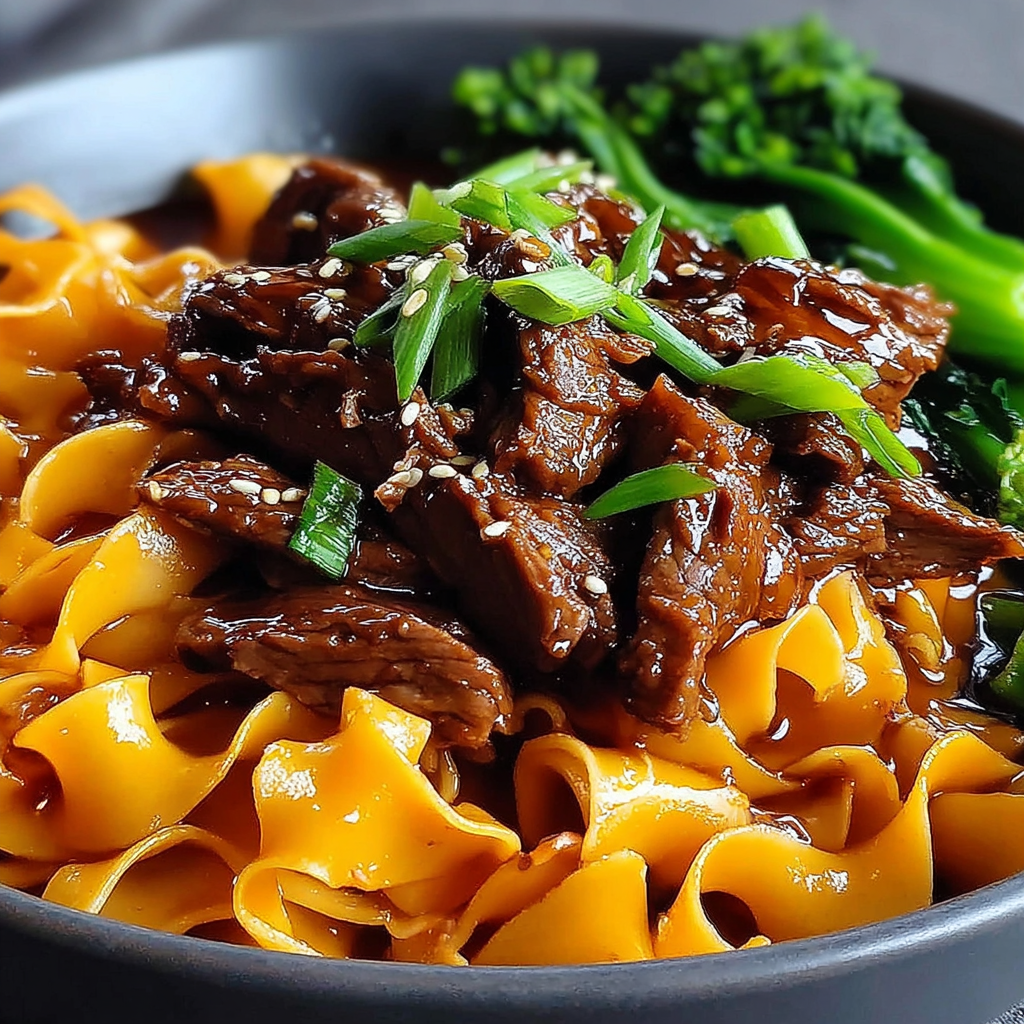
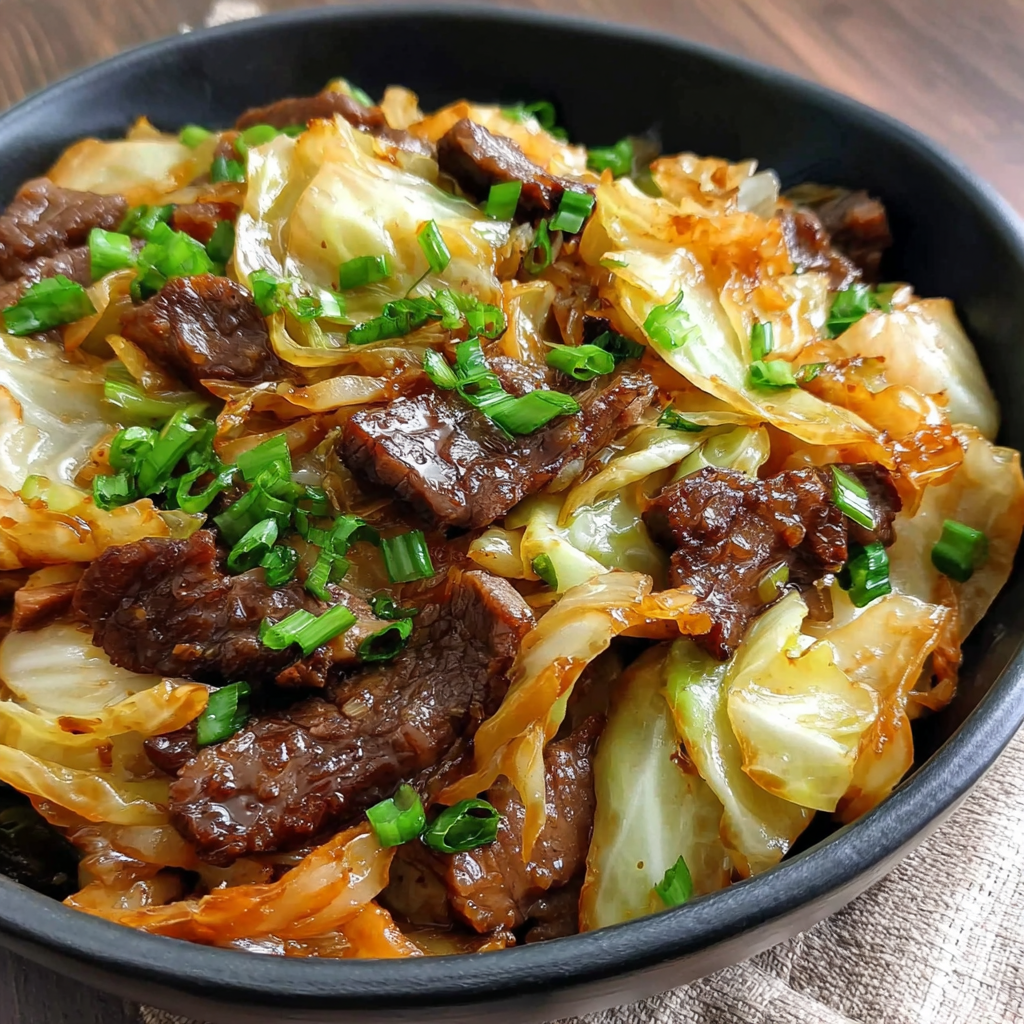
Mongolian Beef and Cabbage is a delightful fusion dish that showcases the tender, savory richness of beef paired harmoniously with the crispness of cabbage. This recipe takes traditional flavors and presents them in a way that's both comforting and exciting for your palate.
The dish balances a savory sauce with the natural sweetness of the cabbage, providing a nutritious meal that's quick to prepare. Perfect for busy weeknights, it highlights simple ingredients to create a robust flavor profile.
By incorporating a variety of textures and tastes, Mongolian Beef and Cabbage not only satisfies hunger but also invites exploration in the kitchen. You'll find that with just a few straightforward steps, you can impress family and friends with a restaurant-quality meal.
Ingredients
- 1 pound flank steak, thinly sliced
Flank steak is known for its flavor and tenderness when cooked properly. Thin slices allow for quick cooking, ensuring the meat remains juicy while absorbing the sauce beautifully. - 2 cups shredded cabbage
Cabbage adds a crisp texture and a slightly sweet flavor that complements the savory elements in this dish. It also brings a healthy crunch, increasing the nutritional value without overwhelming the dish. - 1/4 cup soy sauce
Soy sauce is the backbone of the savory sauce, providing umami richness and depth. It also helps with tenderizing the beef, ensuring each bite is full of flavor. - 2 tablespoons brown sugar
Brown sugar adds a touch of sweetness that balances the saltiness of the soy sauce. It also contributes to the caramelization process, enhancing the flavor and color of the dish. - 1 tablespoon cornstarch
Cornstarch acts as a thickening agent, giving the sauce a silky smooth texture. It helps bind the flavors together, making each forkful deliciously cohesive. - 2 tablespoons vegetable oil
Vegetable oil is essential for stir-frying, providing the necessary heat to sear the beef while preventing sticking. It can also withstand high temperature cooking, making it durable for this dish. - 2 cloves garlic, minced
Garlic infuses aromatic qualities into the dish, elevating the overall flavor profile. Its pungent notes add depth that complements the sweetness of the sauce. - 1/2 teaspoon ginger, grated
Ginger offers a warming spiciness that contrasts beautifully with the rich flavors. It aids digestion and adds an invigorating freshness to the dish. - 1 green onion, sliced (for garnish)
Green onions not only add a pop of color but also a mild onion flavor that rounds out the dish. They provide a fresh touch, enhancing the visual appeal and taste.
Directions & Preparation
Step 1: Prepare the beef by slicing it against the grain into thin strips.
This step is crucial to ensure the beef is tender when cooked. Slicing against the grain shortens the muscle fibers, making each bite easier to chew and maximizing absorbency of the sauce.
Step 2: In a bowl, combine soy sauce, brown sugar, and cornstarch to create the sauce.
Mixing these ingredients together before adding them to the pan allows for a smooth, well-distributed sauce. The cornstarch will thicken the mixture as it cooks, creating a luscious coating for the beef.
Step 3: Heat vegetable oil in a large skillet over medium-high heat.
Pre-heating the skillet ensures the beef sears properly, locking in its juices and improving flavor. This step is critical—don’t overcrowd the pan, or the beef will steam instead of brown.
Step 4: Add the sliced beef to the skillet in a single layer and sauté until browned.
Allowing the beef to brown without moving it too much develops a rich crust. This caramelization enhances the flavor and contributes to the overall savory taste of the dish.
Step 5: Add minced garlic and grated ginger to the pan, stirring to combine.
Adding garlic and ginger at this stage allows their flavors to bloom without burning. Stir them in quickly to avoid overcooking—these aromatics should remain vibrant.
Step 6: Pour the prepared sauce over the beef and let it simmer for a few minutes.
Simmering allows the sauce to thicken and coat the beef evenly, magnifying the flavor as it blends with the aromatics. Keep an eye on the thickness to ensure it's just right.
Step 7: Fold in the shredded cabbage and cook until it wilts but remains crisp.
Incorporating the cabbage last ensures it retains its crunch while soaking up the savory sauce. This balance of textures is key for an appealing dish that excites the palate.
Step 8: Serve hot, garnished with sliced green onions.
Garnishing with green onions not only adds visual appeal but also enhances the dish’s flavor with their fresh, mild bite. Serve immediately to appreciate the contrast between the hot beef and refreshing cabbage.

The Importance of Cabbage in this Recipe
Cabbage is not just a filler; it plays a significant role in this dish. Its inherent sweetness balances the savory components, enhancing the overall flavor profile. Additionally, cabbage is packed with vitamins C and K, providing a nutritious boost that makes this dish even more wholesome. Its crunchiness contrasts perfectly with the tender beef, creating a delightful mouthfeel.
Elevating Flank Steak Flavor
Flank steak is an excellent choice for this recipe due to its rich flavor and unique texture. Marinating is not necessary, but by slicing against the grain, the dish retains tenderness that complements the crisp cabbage. Properly searing the meat seals in juices, providing a succulent experience in every bite. This technique is essential for making the most out of this affordable cut.
Balancing Sweet and Savory Notes
The balance of sweet and savory is what sets Mongolian Beef and Cabbage apart. The brown sugar adds a layer of warmth that enriches the soy sauce's umami flavor. This interplay transforms simple ingredients into a complex dish, where each bite is layered with sweet notes that dance with savory undertones. Mastering this delicate balance creates an inviting meal for all to enjoy.
FAQs
How can I adjust the spice level of the dish?
To add more spice, consider including red pepper flakes or a dash of hot sauce when adding garlic and ginger, adjusting to your heat preference.
What can I do if the sauce turns out too thick?
If your sauce becomes too thick, add a splash of water or broth and stir until it reaches your desired consistency. This will help loosen it without losing flavor.
Can I use another type of cabbage for this recipe?
Yes, napa cabbage or even savoy cabbage can be used as alternatives, providing similar textures and flavors while slightly altering the final taste.
How do I prevent the beef from becoming overcooked?
Monitor the cooking time closely and only sauté until just browned; overcooking will result in tougher meat. Remove from heat as soon as it is no longer pink.
What if I want a vegetarian option for this dish?
You can substitute the beef with tofu or tempeh, marinating it in the same sauce to ensure a flavorful vegetarian alternative.
How can I enrich the flavor further?
Consider adding a splash of rice vinegar or sesame oil to the sauce for added depth. Experimenting with liquid smoke can also provide a unique flavor twist.
Conclusion
Mongolian Beef and Cabbage is a delightful dish that marries convenience with robust flavor. Each ingredient plays in harmony to create a satisfying meal, celebrating both comfort and nourishment. It's a testament to how simple elements can come together to create something truly special.
Whether enjoyed on a busy weeknight or shared with friends during a cozy dinner, this recipe is sure to become a favorite. With just a few ingredients and some essential cooking techniques, you can serve a dish that delights the senses and nourishes the body.
Recipe Card

Wholesome Mongolian Beef and Cabbage Dish
Ingredients
- 1 pound flank steak thinly sliced
- 2 cups shredded cabbage
- 1/4 cup soy sauce
- 2 tablespoons brown sugar
- 1 tablespoon cornstarch
- 2 tablespoons vegetable oil
- 2 cloves garlic minced
- 1/2 teaspoon ginger grated
- 1 green onion sliced (for garnish)
Instructions
- Prepare the beef by slicing it against the grain into thin strips.
- In a bowl, combine soy sauce, brown sugar, and cornstarch to create the sauce.
- Heat vegetable oil in a large skillet over medium-high heat.
- Add the sliced beef to the skillet in a single layer and sauté until browned.
- Add minced garlic and grated ginger to the pan, stirring to combine.
- Pour the prepared sauce over the beef and let it simmer for a few minutes.
- Fold in the shredded cabbage and cook until it wilts but remains crisp.
- Serve hot, garnished with sliced green onions.
Notes
Additional serving suggestions: pair with a crisp salad, garlic bread, or roasted seasonal vegetables for balance.
For make-ahead, prep components separately and assemble just before heating to preserve texture.
Taste and adjust with acid (lemon/vinegar) and salt right at the end to wake up flavors.