Introduction
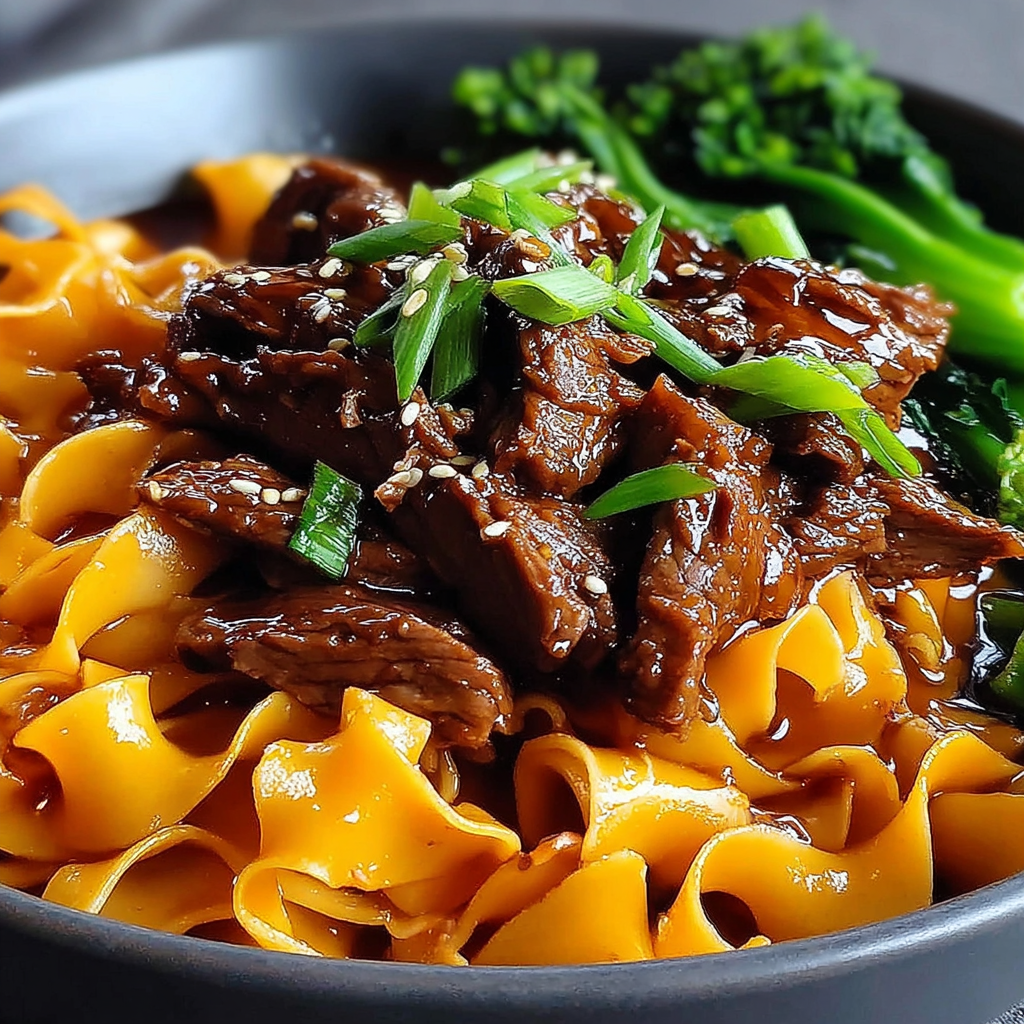
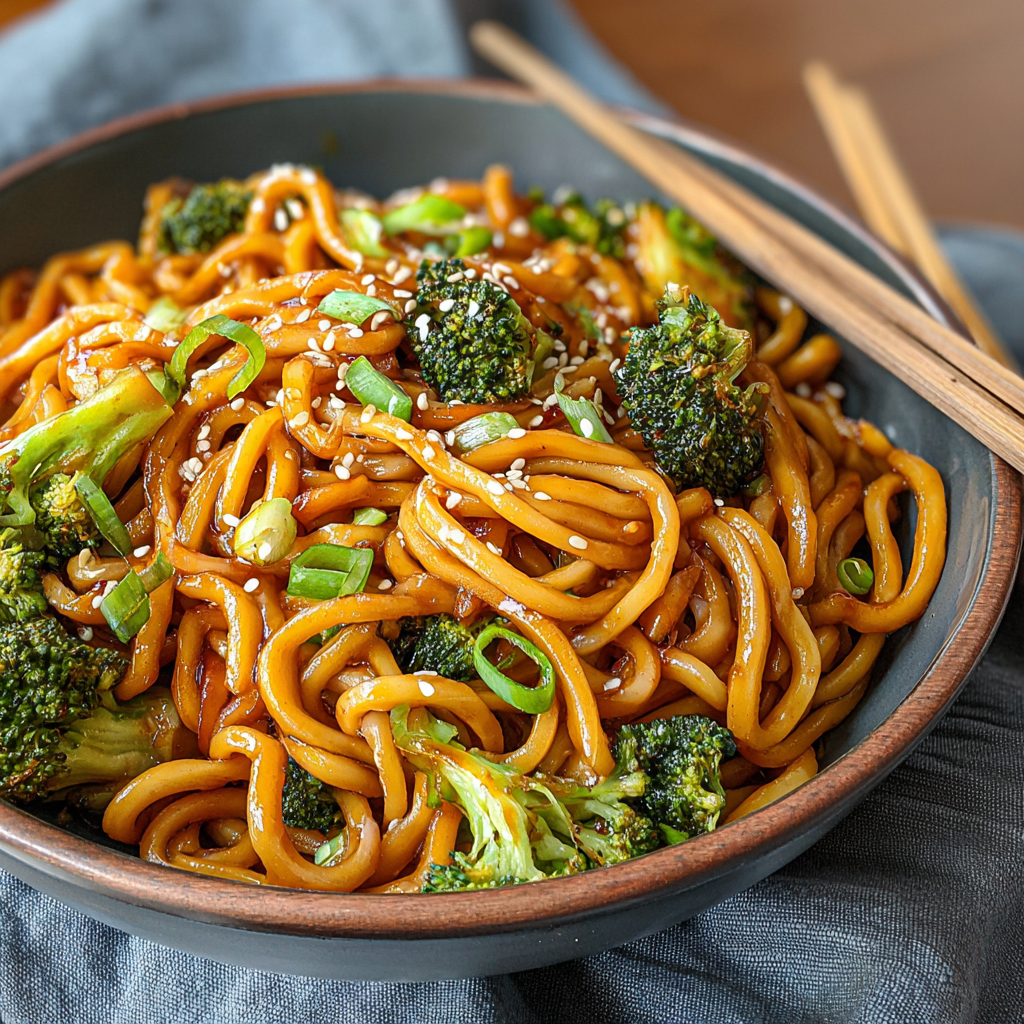
Hibachi noodles, a delightful staple in Japanese cuisine, bring warmth and flavor to any meal. These stir-fried noodles, coated in rich sauces and blended with vegetables, are often enjoyed in Japanese steakhouses, offering a satisfying and savory experience.
The beauty of hibachi noodles lies in their simplicity and versatility, allowing home cooks to customize the dish based on personal preferences or seasonal ingredients. Whether enjoyed as a side or a main course, they deliver a taste of tradition that resonates with many food lovers.
In this article, we'll explore the essential ingredients that make up this dish, the cooking techniques required for perfect results, and share additional insights to elevate your hibachi noodle experience at home.
Ingredients
- 12 ounces yakisoba or udon noodles
These wheat-based noodles are fundamental to achieving the authentic texture and taste of hibachi noodles. Their slightly chewy consistency holds sauces beautifully, creating a harmonious blend of flavors. - 2 tablespoons vegetable oil
Vegetable oil is essential for stir-frying as it has a high smoke point, allowing for the noodles and vegetables to be cooked at high temperatures while preventing burning. - 1 medium onion, sliced
Onions add an aromatic foundation to the dish. When cooked, they become sweet and tender, enhancing the overall flavor profile. - 1 bell pepper, sliced into strips
Bell peppers contribute a vibrant color and a sweet crunch, balancing the savoriness of the noodles and other ingredients. - 2 cups mixed vegetables (such as carrots, snow peas, and broccoli)
A mix of vegetables not only adds texture and flavor but also nutrition, making the dish hearty and visually appealing. - 3 cloves garlic, minced
Garlic brings a punch of flavor, complementing the other ingredients and elevating the dish with its aromatic qualities. - ½ cup soy sauce
Soy sauce is crucial for seasoning the noodles, imparting a salty and savory depth that defines hibachi dishes. Low-sodium soy sauce can be used for a lighter version. - 2 tablespoons sesame oil
Sesame oil adds a distinct nutty flavor, enhancing the overall taste and aroma of the noodles, making them more authentic. - 1 tablespoon oyster sauce (optional)
Oyster sauce provides a slightly sweet and umami-rich flavor, enriching the overall taste profile of the noodles. - Green onions, for garnish
Chopped green onions add a fresh, zesty finish to the dish, elevating not only the flavor but also the appearance.
Directions & Preparation
Step 1: Cook the noodles according to package instructions, drain, and set aside.
Cooking the noodles properly is crucial for achieving the right texture. Make sure to drain them well to prevent sogginess. It’s beneficial to rinse them briefly under cold water to stop cooking and set aside for later.
Step 2: Heat vegetable oil in a large skillet or wok over medium-high heat.
Preheating the oil is vital for a good stir-fry. The right oil temperature allows for even cooking and prevents sticking. Swirl the oil around to cover the surface of the pan.
Step 3: Add the sliced onions and bell pepper, sautéing for about 3-4 minutes until softened.
Cooking the onions and bell peppers first creates a base of flavor. They should be tender but still have a slight crunch for better texture in your dish.
Step 4: Stir in the minced garlic and mixed vegetables, cooking for an additional 2 minutes.
Garlic should be added towards the end of the sauté for maximum flavor release without burning. Include mixed vegetables to add color and nutrition, cooking just until tender.
Step 5: Add the cooked noodles to the skillet, tossing them with the vegetables.
Combining the noodles with the sautéed vegetables ensures they absorb the flavors. Tossing is key here; aim for a thorough mix without breaking the noodles.
Step 6: Pour in the soy sauce, sesame oil, and oyster sauce, if using, tossing everything together.
This step layers the dish with flavor. It’s important to toss continuously, ensuring all ingredients are well-coated without overcooking the noodles.
Step 7: Cook for an additional 2-3 minutes, allowing everything to heat through and meld together.
This final cooking phase is essential for warming the dish and enhancing flavor integration. Pay attention to the heat; it should be sufficient to boil off excess moisture.
Step 8: Serve hot, garnished with chopped green onions.
Serving the dish hot not only enhances enjoyment but also keeps flavors vibrant. The green onions provide a fresh contrast to the savory noodles, completing the dish beautifully.

Elevating Your Noodle Experience
Experimenting with sauces and seasonings can transform your hibachi noodles into an unforgettable dish. Consider adding a splash of sriracha for heat, or a sprinkle of furikake for extra umami. Each ingredient plays a crucial role in enhancing the flavor profile, making your meal uniquely yours.
Choosing the Right Noodles
The type of noodles used can significantly affect the final dish. Yakisoba offers a firmer texture while udon provides a thicker, chewier bite. Selecting the right noodles based on preference not only changes the mouthfeel but also alters the overall experience of your hibachi noodles.
Pairing Sides for a Complete Meal
Hibachi noodles can shine as a standalone dish, but pairing them with complementary sides can elevate your dining experience. Consider serving with grilled meats, a small salad, or traditional Japanese pickles. Each addition enhances the meal while showcasing the richness of hibachi culture.
FAQs
Can I use other proteins in this dish?
Yes! You can easily add grilled chicken, shrimp, or tofu. Adjust cooking times accordingly to ensure proper doneness.
What if my sauce is too thick?
If the sauce becomes too thick, add a splash of water or additional soy sauce while tossing to loosen it up a bit.
How do I make my noodles less bland?
Enhance flavor by adjusting the amount of soy sauce and incorporating fresh garlic, ginger, or a squeeze of lemon for brightness.
Can I add eggs to this recipe?
Absolutely! Scrambled eggs can be added before the noodles, providing additional richness and flavor to the dish.
Is there a way to make this dish spicier?
Adding sriracha or chili flakes during cooking will introduce heat. Start with a small amount and adjust to taste.
What can I substitute for Oyster sauce in a pinch?
For a quick substitute, mix soy sauce with a touch of sugar or hoisin sauce to mimic the sweetness and umami of oyster sauce.
Conclusion
Creating traditionally hibachi noodles at home is a fulfilling culinary adventure. The dance of flavors, colors, and textures brings joy not only to the cook but also to those who gather around the table.
Whether enjoyed on a busy weeknight or on special occasions, these noodles embody the spirit of Japanese cuisine, combining simplicity with rich flavors. Dive into making this dish and enjoy the warmth and satisfaction it brings.
Recipe Card
A Taste of Tradition with Hibachi Noodles
Ingredients
- 12 ounces yakisoba or udon noodles
- 2 tablespoons vegetable oil
- 1 medium onion sliced
- 1 bell pepper sliced into strips
- 2 cups mixed vegetables such as carrots, snow peas, and broccoli
- 3 cloves garlic minced
- ½ cup soy sauce
- 2 tablespoons sesame oil
- 1 tablespoon oyster sauce optional
- Green onions for garnish
Instructions
- Cook the noodles according to package instructions, drain, and set aside.
- Heat vegetable oil in a large skillet or wok over medium-high heat.
- Add the sliced onions and bell pepper, sautéing for about 3-4 minutes until softened.
- Stir in the minced garlic and mixed vegetables, cooking for an additional 2 minutes.
- Add the cooked noodles to the skillet, tossing them with the vegetables.
- Pour in the soy sauce, sesame oil, and oyster sauce, if using, tossing everything together.
- Cook for an additional 2-3 minutes, allowing everything to heat through and meld together.
- Serve hot, garnished with chopped green onions.
Notes
Additional serving suggestions: pair with a crisp salad, garlic bread, or roasted seasonal vegetables for balance.
For make-ahead, prep components separately and assemble just before heating to preserve texture.
Taste and adjust with acid (lemon/vinegar) and salt right at the end to wake up flavors.