Introduction
As the chill of the season settles in, there’s a unique warmth that comes from cooking with your hands. Roasting beets not only infuses your home with an earthy aroma but also results in a colorful, nutritious side dish that embodies comfort. Their sweet, earthy flavor makes roasted beets a delightful addition to any cozy evening meal.
These vibrant root vegetables are more than just pretty on the plate; they are packed with nutrients and antioxidants. Simple to prepare, they transform beautifully with just a little bit of oil, salt, and heat. Whether you're enjoying a casual dinner or hosting friends, roasted beets are sure to please.
Ingredients
- 4 medium-sized beets
Beets are the star of the show, providing rich flavors and a vibrant color that brighten any dish. Their natural sweetness intensifies when roasted, making them a perfect side for savory meals. - 2 tablespoons olive oil
Olive oil enhances the natural sweetness of the beets and helps in the roasting process. It also adds a hint of flavor, ensuring the beets develop a beautifully caramelized exterior. - 1 teaspoon sea salt
Sea salt is essential for drawing out moisture and enhancing the flavors of the beets. It balances the sweetness of the beets, bringing out their full taste. - 1 teaspoon black pepper
Freshly cracked black pepper adds a mild heat and depth of flavor that complements the sweetness of roasted beets. It enhances the overall taste experience. - 1 tablespoon balsamic vinegar (optional)
Balsamic vinegar adds acidity and complexity to the dish. Its tangy sweetness can elevate the flavors, making it a lovely addition for those who enjoy a bit of zing in their food. - Fresh herbs for garnish (such as thyme or parsley)
Herbs not only add a pop of color but also introduce fresh flavors that pair well with the roasted beets. They can be sprinkled on top just before serving for a fragrant finish.
Directions & Preparation
Step 1: Preheat your oven to 400°F (200°C).
Preheating the oven is crucial for achieving the perfect roasted texture. A hot oven ensures that the beets caramelize well and develop that sought-after, sweet, and tender interior. Make sure to allow at least 15 minutes for your oven to reach the desired temperature.
Step 2: Wash and trim the beets, leaving about an inch of stem and the root end intact.
Cleaning the beets thoroughly removes any soil and debris. By leaving a bit of the stem and root, you prevent them from 'bleeding' too much color during roasting. This step preserves both the flavor and appearance of the beets, enhancing their visual appeal.
Step 3: Wrap each beet individually in aluminum foil.
Wrapping the beets in foil creates a steam-infused environment, allowing them to cook evenly and retain moisture. This technique prevents them from drying out and promotes tender results.
Step 4: Place the foil-wrapped beets on a baking sheet and roast for 45-60 minutes.
Roasting for this duration ensures that the beets become wonderfully tender throughout. The cooking time can vary based on the size of the beets; larger ones may take longer. Check for tenderness by inserting a fork; it should glide easily through.
Step 5: Once cooked, unwrap the beets and let them cool slightly before peeling.
Letting the beets rest allows them to cool enough for handling while still warm. The skins will slip off easily when you give them a gentle rub, making the peeling process effortless. This step helps retain the vibrant color of the beets.
Step 6: Cut the beets into wedges or slices and place them in a mixing bowl.
Cutting the beets into uniform pieces ensures even distribution of flavors when dressing them later. Choose your favorite shape or size; wedges offer a rustic look, while slices can be visually appealing on a plate. This step makes it easier for the next part.
Step 7: Drizzle with olive oil, balsamic vinegar (if using), salt, and pepper, and toss gently.
Coating the cut beets with oil and seasonings enhances their flavor profile. The olive oil acts as a carrier for the spices and vinegar, ensuring these flavors penetrate the beets. Tossing gently avoids breaking them apart and keeps their presentation intact.
Step 8: Serve warm, garnished with fresh herbs.
Serving the beets warm maximizes their pleasant aroma and flavors, creating a comforting dish. Topping with fresh herbs not only enhances the visual appeal but adds a layer of freshness that balances the dish beautifully.

The Versatility of Roasted Beets
Roasted beets can serve multiple roles in your meals, making them a great component throughout your week. They shine as a side dish, a salad star, or even as a topping for grain bowls. Their flavor pairs wonderfully with nuts, cheese, and citrus, allowing for endless culinary pairings that keep your meals exciting.
Embracing Seasonal Cooking
With the arrival of fall and winter, root vegetables like beets come into their own. Roasting them not only enhances their flavors but also makes the most of their nutritional benefits, bringing warmth to your table. Sourcing seasonal produce cultivates a connection to the cycles of the earth, making your cooking experience more fulfilling.
Celebrating Colors on the Plate
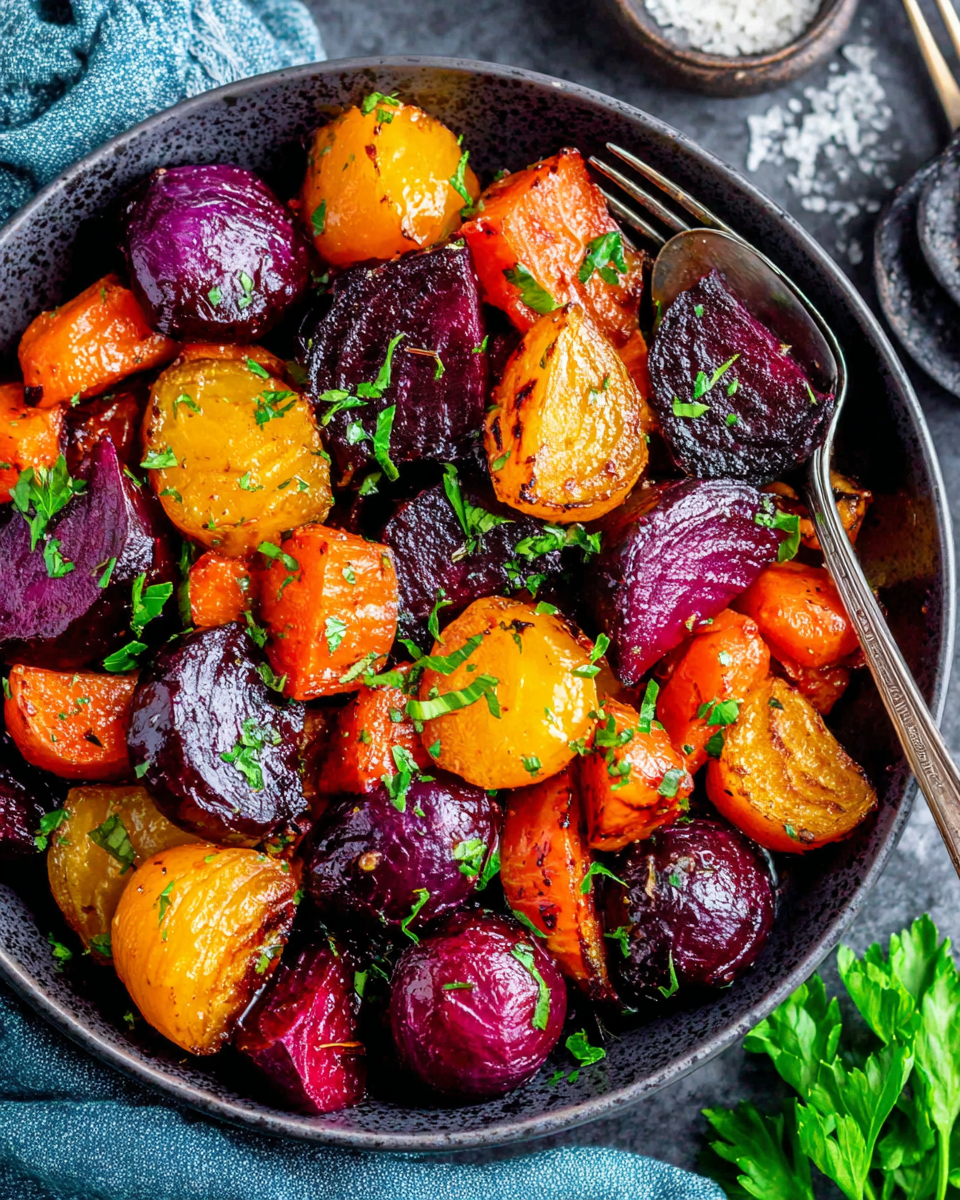
Roasted beets contribute not just flavor, but also a burst of color to your meals. Their vibrant hue can brighten cold winter days, offering a visual feast alongside your other dishes. Pairing them with greens or grains introduces further color variety, creating an eye-catching presentation that is as pleasing to the palate as it is to the eyes.
FAQs
What if my beets are too firm after roasting?
If your beets are still firm after the suggested roasting time, simply return them to the oven and roast for an additional 10-15 minutes. Check for doneness with a fork; it should pierce through easily.
Can I roast beets with other vegetables?
Certainly! Beets roast beautifully with carrots, sweet potatoes, or other root vegetables. Just ensure they are cut to a similar size for even cooking, and adjust the roasting time depending on the variety.
How can I reduce the sweetness if my beets taste too sweet?
Balancing the sweetness with acidity can help. Consider adding a tad more balsamic vinegar or serving with a sprinkle of feta cheese to offset the sugary notes of the beets.
What herbs can I use beyond thyme or parsley?
Experimenting with herbs such as dill or chives can offer exciting flavor notes. Those herbs add a fresh burst and complement the earthiness of the beets wonderfully.
Are there alternative oils I can use for roasting?
Yes, you can use canola oil, avocado oil, or even melted coconut oil if you prefer. These oils will likewise aid in the roasting process while imparting their unique flavors.
Could I scale this recipe for a larger gathering?
Absolutely! Simply increase the quantity of beets and corresponding seasonings. Just keep in mind that you may need to roast them in batches, depending on the size of your baking sheet.
Conclusion
Roasted beets are more than just a side dish; they are a celebration of the comforting warmth of home-cooked meals, bringing color, flavor, and nutrition to your table. Their versatility makes them the perfect companion to a variety of dishes, inviting exploration and creativity in your cooking.
As you enjoy your roasted beets, remember that the joy of cooking comes not just from the dish itself but from the experience it creates. Gather your loved ones, share stories, and relish the simple yet profound pleasure of a cozy meal savored together.
Recipe Card

Hearty Crockpot Chicken and Rice Delight
Ingredients
- 2 pounds boneless skinless chicken thighs
- 1 cup long-grain rice
- 4 cups chicken broth
- 1 medium onion diced
- 2 cloves garlic minced
- 1 teaspoon dried thyme
- 1 teaspoon paprika
- Salt and pepper to taste
- Fresh parsley for garnish
Instructions
- Prepare the ingredients.
- Layer the chicken in the crockpot.
- Add the diced onions and garlic.
- Pour in the chicken broth.
- Sprinkle the rice and seasonings.
- Stir gently to combine.
- Cover and set the crockpot.
- Check for doneness.
- Fluff and serve.
- Garnish with fresh parsley.
Notes
Additional serving suggestions: pair with a crisp salad, garlic bread, or roasted seasonal vegetables for balance.
For make-ahead, prep components separately and assemble just before heating to preserve texture.
Taste and adjust with acid (lemon/vinegar) and salt right at the end to wake up flavors.