Introduction
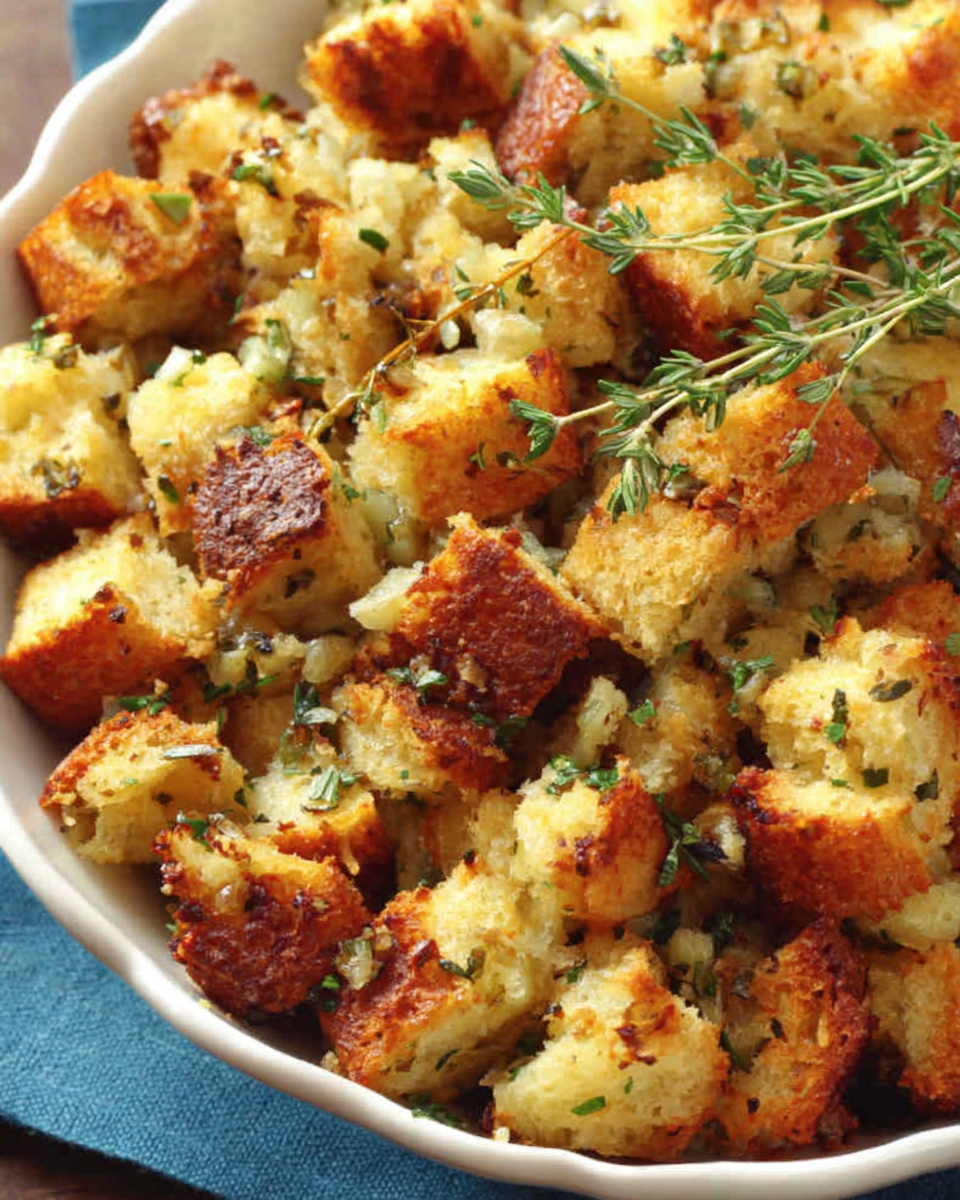
Every Thanksgiving, Grandma's classic stuffing graces the table, filling the home with a warm and inviting aroma. This dish, steeped in family tradition, is more than just a side; it’s a memory wrapped in the savory goodness of herbs, bread, and vegetables. Each bite transports us back to cherished gatherings, laughter, and the essence of gratitude.
Crafted with love and care, this stuffing celebrates the blending of flavors and textures, turning simple ingredients into something truly special. As we gather to give thanks, sharing Grandma’s recipe not only pays homage to her culinary skills but also strengthens the bonds that unite our family. Let's dive into the heart of this beloved dish.
Ingredients
- 1 loaf of crusty bread, cubed (about 10 cups)
The foundation of the stuffing, bread provides structure and absorbs the flavors of the broth and herbs. A crusty bread adds a lovely texture, while allowing it to hold onto moisture without becoming mushy. - 1 cup unsalted butter
Butter brings richness and a luxurious mouthfeel, enhancing the overall flavor. It also serves to sauté the vegetables, contributing to a depth of taste that is essential for good stuffing. - 1 large onion, diced
Onions offer a sweet and savory base, lending moisture and essential aromatics when cooked. They soften during cooking, infusing the stuffing with a familiar, homey flavor. - 3 stalks of celery, diced
Celery adds a crisp texture and subtle earthiness, balancing the richness of the butter and complementing the other vegetables. Its flavor melds well with the onion and spices. - 3 cups chicken or vegetable broth
Broth is crucial for moistened stuffing; it imbues the dish with additional flavor. Choosing chicken or vegetable broth based on dietary preferences is important, as it impacts the richness of the dish. - 1 tablespoon fresh sage, chopped
Sage is the hallmark herb of Thanksgiving stuffing, contributing a warm, earthy flavor profile. Its aromatic qualities evoke the seasonal bounty of the holiday. - 1 tablespoon fresh thyme, chopped
Thyme adds a layer of complexity and brightness to the stuffing, enhancing the savory notes from the other ingredients. Fresh herbs are always preferable for their more vibrant flavor. - Salt and black pepper to taste
Seasoning balances the flavors in stuffing. Salt brightens and enhances natural flavors, while pepper adds a mild heat that rounds out the dish. - 1 cup walnuts or pecans, chopped (optional)
Nuts provide a delightful crunch and nutty flavor to the stuffing, adding texture contrast. They also contribute healthy fats and protein, making the dish more satisfying. - ½ cup dried cranberries or raisins (optional)
Dried fruit introduces a sweet contrast to the savory stuffing, accentuating the holiday’s flavor profile. Their slight chewiness and sweetness offer pleasurable bursts of flavor.
Directions & Preparation
Step 1: Preheat your oven to 350°F (175°C).
Starting with a properly preheated oven ensures even cooking and browning. It creates the ideal environment for the stuffing to crisp slightly on the edges while remaining moist inside.
Step 2: Spread the cubed bread on a baking sheet and toast in the oven for about 10-15 minutes, until lightly golden.
Toasting the bread first helps to dry it out and adds a depth of flavor. This step is critical; it prevents the stuffing from turning mushy when baked. Stir halfway to ensure even toasting.
Step 3: In a large skillet, melt the butter over medium heat. Add the diced onions and celery, and sauté for about 10 minutes until softened and translucent.
Sautéing the onions and celery in butter is essential for developing flavors. This step releases the natural sweetness of the vegetables, which will enhance the overall taste of your stuffing.
Step 4: Stir in the chopped sage and thyme, cooking for an additional 2-3 minutes until fragrant.
Cooking the herbs briefly extracts their essential oils, maximizing flavor infusion into the sautéed vegetables. This aromatic base sets the tone for the entire stuffing.
Step 5: In a large bowl, combine toasted bread, sautéed vegetables, season with salt and pepper, and mix in optional nuts and dried fruit if using.
Combining the ingredients in a large bowl ensures everything is evenly distributed. The toasted bread should break apart slightly and soak up the flavors, creating a cohesive stuffing.
Step 6: Pour in the broth gradually, mixing gently until the bread is moist but not overly soggy, adding more broth as necessary.
This step allows you to control the moisture level in your stuffing. It’s important to achieve a perfect texture: you want it moist enough to be flavorful, but not so wet that it becomes a mushy paste.
Step 7: Transfer the stuffing into a greased baking dish, covering it loosely with foil.
Covering with foil helps to retain moisture during the initial baking phase, preventing the top from getting too brown too quickly. This way, the stuffing steams gently, becoming fluffy.
Step 8: Bake for 30 minutes, then remove the foil and continue baking for an additional 15-20 minutes until golden and crispy on top.
Baking without the foil allows for browning, which adds appealing texture. This final crisping stage is what elevates the stuffing from soft to sublime, balancing moist interior with a crunchy top.
Step 9: Let the stuffing cool for a few minutes before serving.
Allowing the stuffing to rest briefly helps the flavors set and makes serving easier. This also prevents anyone from burning their mouth on the freshly baked dish.

Choosing the Right Bread
For the most flavorful stuffing, opt for a dense, crusty bread. Think ciabatta or sourdough—these varieties provide a sturdy base that absorbs broth without becoming overly soggy. If you use softer breads, be mindful of the moisture level you add. Stale bread is also an excellent choice, as it holds its shape better when mixed with wet ingredients.
The Aroma of Fresh Herbs
Using fresh herbs like sage and thyme is key to achieving that Thanksgiving aroma. Their scent wafts through the kitchen, creating a warm, inviting atmosphere. Fresh herbs deliver brighter flavors than dried options, which can become muted when cooked. Make sure to chop them just before using to capture their essence and avoid losing any potency.
Optional Additions for a Personal Touch
Feel free to customize the stuffing to suit your taste. Introduce elements like sautéed mushrooms for umami depth, or add leeks for a milder onion flavor. You may also incorporate apples for a hint of sweetness or swap in your favorite nuts or dried fruits. Personalizing the stuffing can make it uniquely yours and a conversation starter at the Thanksgiving table.
FAQs
What if the stuffing is too dry after baking?
If the stuffing comes out dry, it's likely that it needs more broth. Add a little at a time, then cover it with foil and return it to the oven for a bit to help rehydrate.
Can I make this stuffing without nuts?
Absolutely! You can omit the nuts entirely or substitute them with seeds for a similar crunch. The flavor will still be delightful.
Why didn’t my stuffing rise as expected?
Stuffing generally doesn’t rise like other dishes; however, if it seems overly dense, it might need a bit more broth or time to fluff up during baking.
Can I use a different type of bread?
Yes, feel free to experiment with different types of bread. Just ensure it's not overly soft, as this can lead to mushy stuffing. A combination of breads can add depth.
What if my herbs taste too strong?
If your stuffing tastes overly herbal, balance it by adding small amounts of broth or bread to dilute the flavor. This will balance the freshness with the other ingredients.
Can I make this gluten-free?
Yes, using gluten-free bread is a great option. Just be mindful of the texture and moistening; you may need to adjust the quantity of broth.
Conclusion
Grandma's classic Thanksgiving stuffing is not only a recipe; it is a celebration of flavor, family, and tradition. Every ingredient plays a vital role, crafting a dish that warms hearts and brings people together. Whether you stick to the traditional approach or add personal twists, the joy of sharing this stuffing will undoubtedly make your holiday memories even more special.
As you prepare your stuffing, cherish the moments spent in the kitchen, drawing inspiration from family recipes. This dish invites everyone to partake in the festivities, fostering connections and creating new traditions. Happy cooking and happy Thanksgiving!
Recipe Card

Hearty Crockpot Chicken and Rice Delight
Ingredients
- 2 pounds boneless skinless chicken thighs
- 1 cup long-grain rice
- 4 cups chicken broth
- 1 medium onion diced
- 2 cloves garlic minced
- 1 teaspoon dried thyme
- 1 teaspoon paprika
- Salt and pepper to taste
- Fresh parsley for garnish
Instructions
- Prepare the ingredients.
- Layer the chicken in the crockpot.
- Add the diced onions and garlic.
- Pour in the chicken broth.
- Sprinkle the rice and seasonings.
- Stir gently to combine.
- Cover and set the crockpot.
- Check for doneness.
- Fluff and serve.
- Garnish with fresh parsley.
Notes
Additional serving suggestions: pair with a crisp salad, garlic bread, or roasted seasonal vegetables for balance.
For make-ahead, prep components separately and assemble just before heating to preserve texture.
Taste and adjust with acid (lemon/vinegar) and salt right at the end to wake up flavors.