Introduction
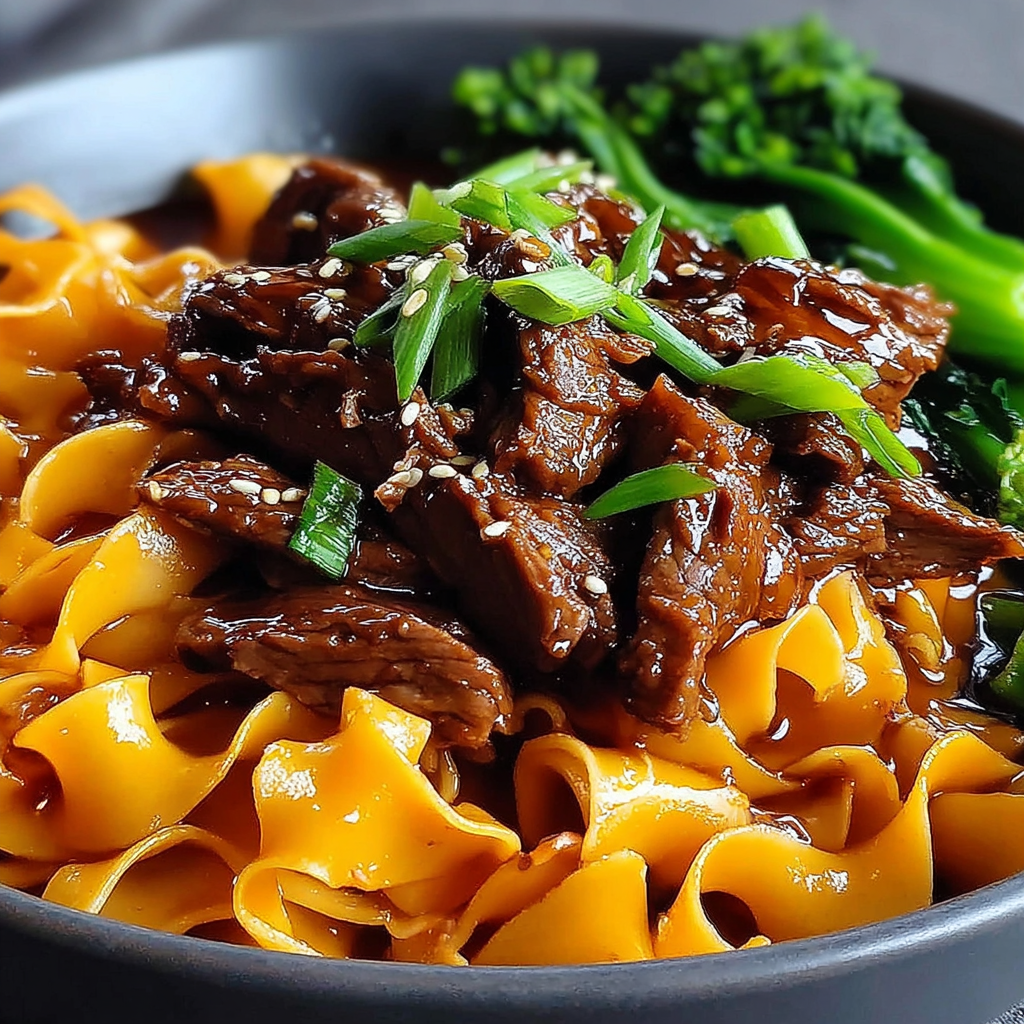
Korean beef noodles offer a delightful infusion of savory flavors, combining tender beef with a rich, aromatic broth and satisfying noodles. This dish reflects the heart of Korean cuisine, showcasing its signature balance of sweet, spicy, and umami elements.
Perfect for a cozy dinner, Korean beef noodles are easy to prepare and can be customized to suit your taste preferences. Whether you're seeking a comforting meal or an exciting culinary adventure, this dish will not disappoint.
In this article, we dive deeper into the ingredients and preparation techniques that make Korean beef noodles a beloved choice for home cooks everywhere.
Ingredients
- 8 oz flat rice noodles
Flat rice noodles are essential for this dish, as they absorb the broth's flavors, providing a chewy texture that complements tender beef. Their width allows them to carry a generous amount of sauce. - 1 lb beef sirloin, thinly sliced
Using beef sirloin ensures that the meat remains tender and juicy when cooked quickly. Proper slicing against the grain brings out the best texture, making each bite a delight. - 2 tbsp vegetable oil
Vegetable oil is used for sautéing the beef and aromatics. Its neutral flavor won’t overpower the dish, and it has a high smoke point, making it ideal for frying. - 1 onion, sliced
The onion adds sweetness and depth to the broth. As it cooks down, it caramelizes slightly, contributing to the overall richness of the dish. - 3 cloves garlic, minced
Garlic provides a powerful aromatic flavor that enhances the overall taste profile. It releases its essential oils as it cooks, creating an inviting aroma. - 1-inch piece ginger, minced
Ginger adds warmth and a zingy note that balances the richness of the beef. Its unique flavor brightens the dish and contributes to its authenticity. - 4 cups beef broth
Beef broth serves as the backbone of the dish, infusing each ingredient with a deep, savory flavor. A quality broth will enhance the taste and consistency of the noodles. - 2 tbsp soy sauce
Soy sauce imparts saltiness and umami, crucial for achieving that rich, savory flavor profile typical in Korean dishes. It also helps to develop the dish's color. - 1 tbsp gochujang (Korean chili paste)
Gochujang brings a depth of heat and sweetness, a hallmark of Korean cuisine. It gives the dish complexity and a beautiful reddish hue that tantalizes the eyes. - 1 tbsp brown sugar
Brown sugar balances the savory elements with a subtle sweetness. This enhances the sauce's complexity and rounds out the flavors beautifully. - 2 green onions, chopped
Green onions bring a fresh, crispy element and a mild onion flavor that brightens the dish. They provide a pop of color and freshness as a garnish. - Sesame seeds, for garnish
Sesame seeds add a subtle nutty flavor and crunch, enhancing the overall texture. Sprinkling them on top gives a lovely visual appeal and ties together the dish.
Directions & Preparation
Step 1: Soak the rice noodles in warm water for 30 minutes, then drain.
Soaking the noodles before cooking ensures they become tender and pliable. This step is crucial as it allows for even cooking later. Drain them well to prevent excess water from diluting the broth.
Step 2: In a large pot, heat vegetable oil over medium-high heat.
Heating the oil properly is essential for achieving the right cooking temperature. A hot pan will sear the beef quickly, locking in juices and flavors. It also helps to develop a nice color on the meat.
Step 3: Add the sliced beef to the pot and sauté for 2-3 minutes until browned.
Searing the beef creates a rich flavor base for the dish. Browning the meat adds depth through the Maillard reaction, enhancing the umami taste. Ensure not to overcrowd the pan to achieve a good sear.
Step 4: Stir in the sliced onion, garlic, and ginger, and cook for an additional 3-4 minutes.
Adding onion, garlic, and ginger at this stage lets their flavors meld into the beef. As they cook down, they soften and become aromatic, infusing the oil and gradually building a base for the broth.
Step 5: Pour in the beef broth, soy sauce, gochujang, and brown sugar. Stir well.
This step combines all the essential flavors into the pot. The broth will provide moisture, while the soy sauce and gochujang contribute saltiness and heat. Stir well to ensure everything is dissolved and evenly distributed.
Step 6: Bring the mixture to a simmer, then reduce heat to low and cover for 15 minutes.
Simmering allows the flavors to meld while making sure the beef becomes tender. Covering the pot retains moisture and heat, preventing the broth from evaporating and ensuring every ingredient has time to develop.
Step 7: Add the soaked noodles to the broth and cook for 5-7 minutes until soft.
Adding the noodles at this stage ensures they absorb the flavorful broth. Be careful not to overcook them; you want them to remain chewy rather than mushy. Stir occasionally for even cooking.
Step 8: Taste and adjust seasoning if necessary, adding more soy sauce or gochujang as desired.
Tasting the dish before serving is vital to achieve the desired flavor balance. Adjust all seasonings according to personal preference for saltiness and spice, ensuring a dish you love.
Step 9: Serve hot, garnished with chopped green onions and sesame seeds.
Garnishing elevates the dish visually and adds freshness. The green onions provide crunch, while the sesame seeds introduce a subtle nuttiness. Serve immediately for the best flavor and enjoyment.

Understanding Gochujang: The Heart of Korean Flavor
Gochujang, a fermented chili paste, is a cornerstone of Korean cooking that infuses dishes with a unique depth of flavor. It brings both heat and a slight sweetness that beautifully balances the savory profile of the beef noodles. When using gochujang, adjust the quantity based on your heat tolerance to create a personalized spice level for your dish.
Choosing the Right Noodles Makes a Difference
Flat rice noodles, while traditional, can vary in thickness and texture. For this dish, consider using fresh noodles for an optimal experience, as they tend to absorb flavors better than dried ones. If only dried noodles are available, ensure to follow the package instructions for soaking and cooking to achieve the desired texture.
The Role of Aromatics in Flavor Development
In Korean beef noodles, aromatics like onion, garlic, and ginger are more than just ingredients; they are the essence of flavor development. Sautéing these aromatics releases their essential oils, significantly enhancing the dish's complexity. Together, they create a fragrant base that sets the stage for the savory elements of the beef and broth.
FAQs
What can I do if my noodles are too thick?
If your noodles become too thick, adding a bit more beef broth or water during cooking can loosen them up. Stir gently to incorporate the liquid without breaking the noodles.
What if my beef turns out overcooked?
If the beef becomes overcooked, it can become chewy and tough. To remedy this, quickly remove the pot from heat as soon as you notice it. Serve immediately to retain moisture and consider slicing the beef thinner before cooking next time.
How can I customize the heat level of this dish?
To adjust the heat, vary the amount of gochujang you use. Start with less, and taste as you go before adding more, ensuring you reach your preferred spice level without overwhelming the other flavors.
Can I use a different type of meat for this recipe?
Yes, you can substitute beef with chicken, pork, or even tofu for a vegetarian option. Adjust cooking times appropriately based on the meat's thickness and type to ensure it cooks through.
Why does my broth taste bland?
If the broth tastes bland, consider adding a bit more soy sauce or gochujang. Tasting and adjusting the seasonings throughout cooking is vital to ensure flavors remain robust and well-balanced.
What can I do to enhance the dish's aroma?
Enhancing aroma can be accomplished by toasting the sesame seeds before garnishing or adding a dash of sesame oil to the finished dish. These ingredients contribute wonderful nutty notes that elevate the overall fragrance.
Conclusion
Korean beef noodles invite you to enjoy an engaging culinary experience that balances flavors and textures beautifully. With its savory broth, tender beef, and satisfying noodles, it’s sure to become a favorite in your home.
Whether enjoyed on a weeknight or prepared for a special gathering, this dish offers warmth and comfort. Embark on this flavorful journey and savor your homemade Korean beef noodles!
Recipe Card
Savoring the Depths of Korean Beef Noodles
Ingredients
- 8 oz flat rice noodles
- 1 lb beef sirloin thinly sliced
- 2 tbsp vegetable oil
- 1 onion sliced
- 3 cloves garlic minced
- 1- inch piece ginger minced
- 4 cups beef broth
- 2 tbsp soy sauce
- 1 tbsp gochujang Korean chili paste
- 1 tbsp brown sugar
- 2 green onions chopped
- Sesame seeds for garnish
Instructions
- Soak the rice noodles in warm water for 30 minutes, then drain.
- In a large pot, heat vegetable oil over medium-high heat.
- Add the sliced beef to the pot and sauté for 2-3 minutes until browned.
- Stir in the sliced onion, garlic, and ginger, and cook for an additional 3-4 minutes.
- Pour in the beef broth, soy sauce, gochujang, and brown sugar. Stir well.
- Bring the mixture to a simmer, then reduce heat to low and cover for 15 minutes.
- Add the soaked noodles to the broth and cook for 5-7 minutes until soft.
- Taste and adjust seasoning if necessary, adding more soy sauce or gochujang as desired.
- Serve hot, garnished with chopped green onions and sesame seeds.
Notes
Additional serving suggestions: pair with a crisp salad, garlic bread, or roasted seasonal vegetables for balance.
For make-ahead, prep components separately and assemble just before heating to preserve texture.
Taste and adjust with acid (lemon/vinegar) and salt right at the end to wake up flavors.